Vector figures where available, so they stay sharp when enlarged.
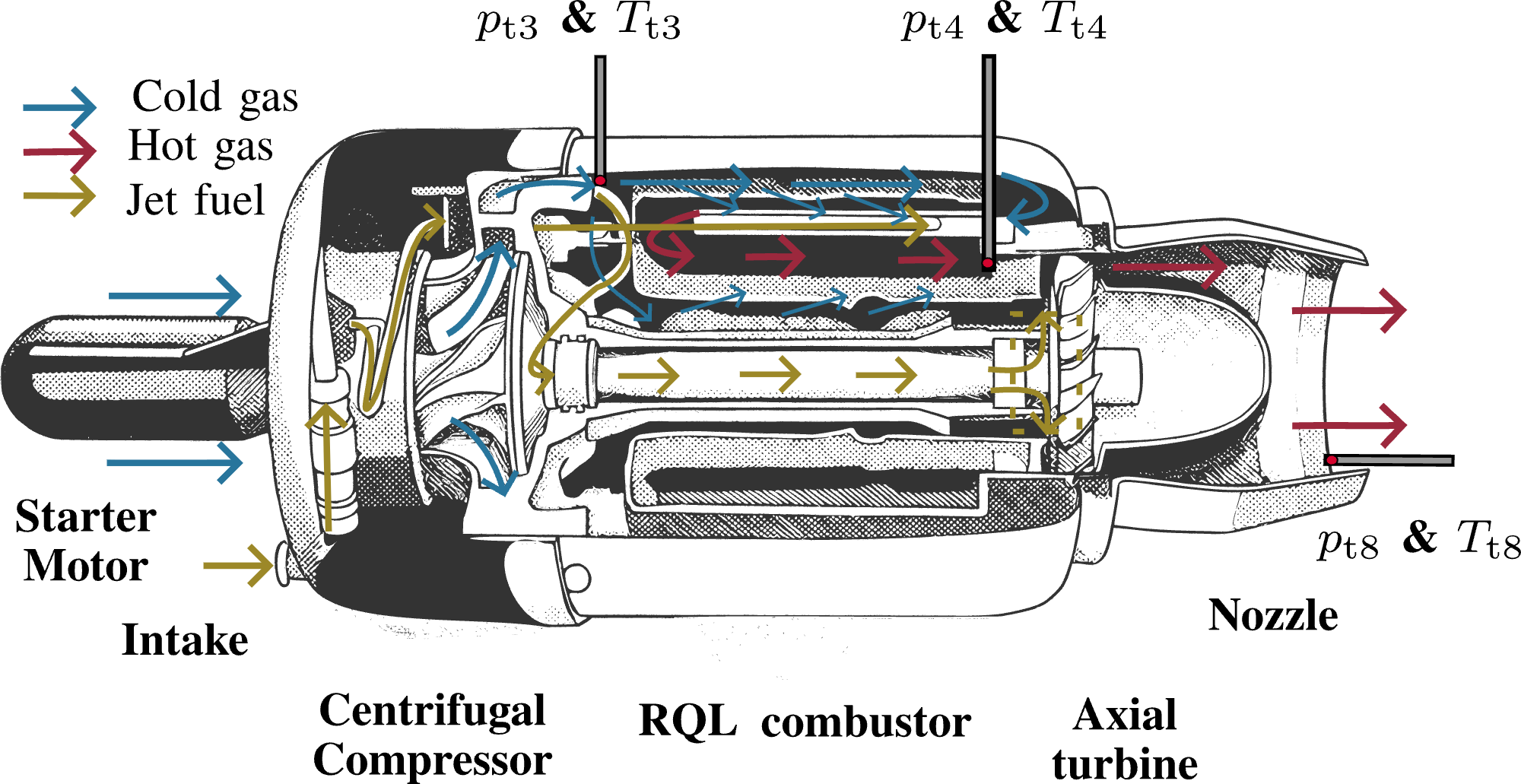
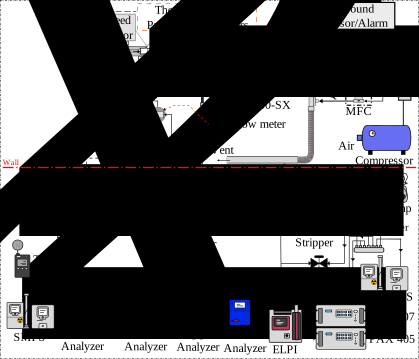
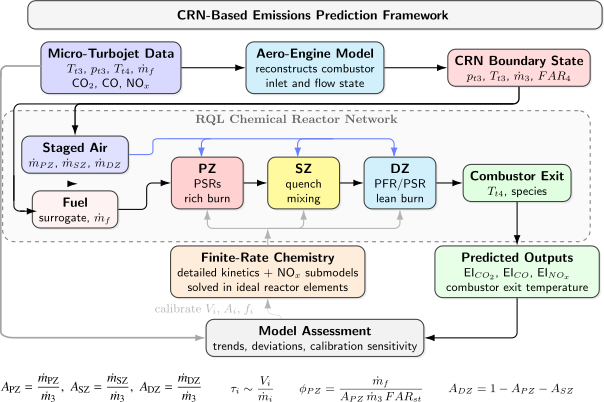
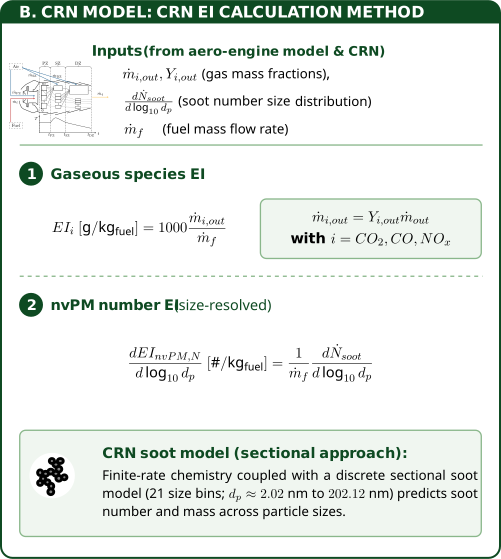
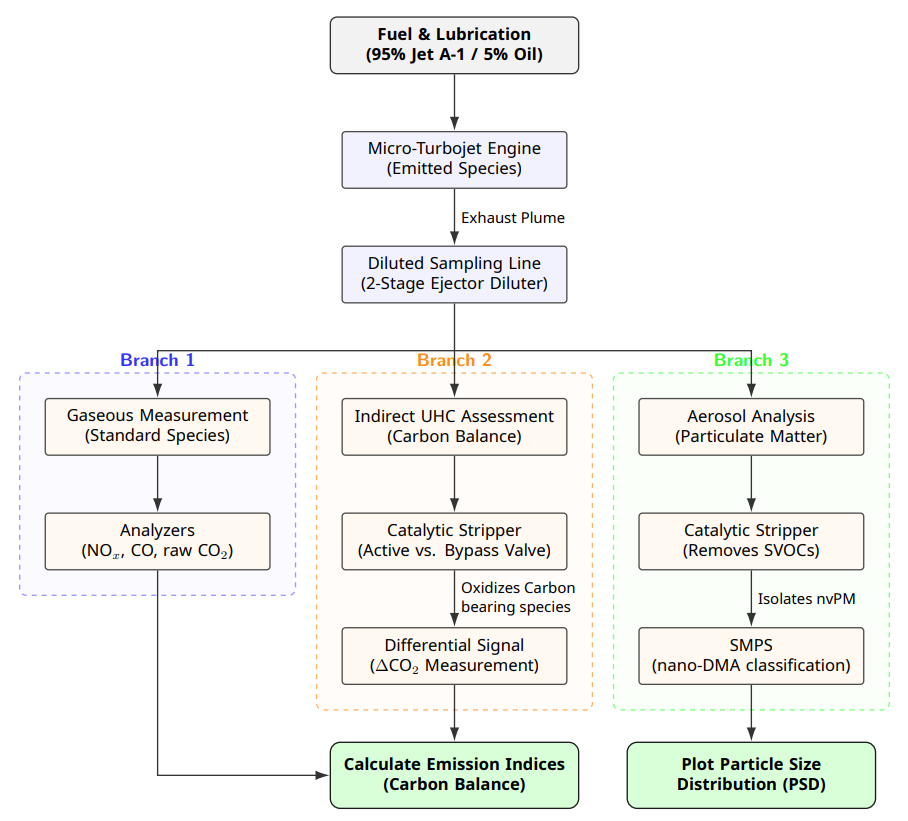
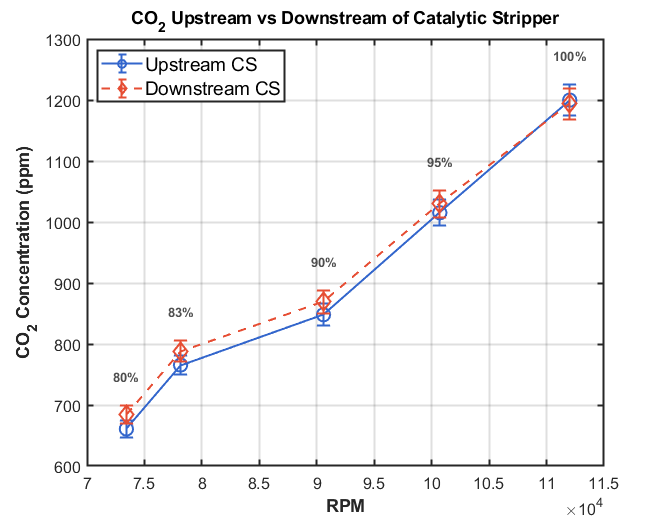
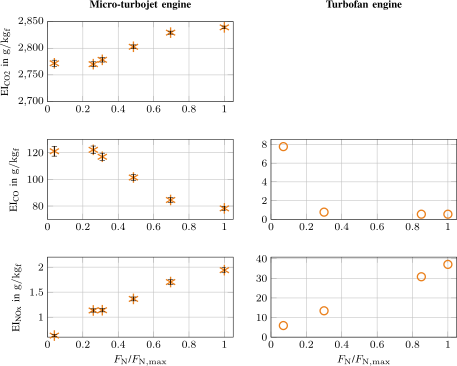
JetCat P200-SX cross-section. Station labels and component layout.Experimental setup. Sampling lines and instruments.CRN framework. Reactor-network structure.EI calculation method. Carbon-balance emission indices and the CRN nvPM EI method.Data processing pipeline. Raw data to emission indices and particle size distributions.Catalytic stripper CO₂. CO₂ upstream vs downstream of the catalytic stripper across RPM, used for an indirect UHC estimate.Micro-turbojet vs V2500. Directional trends preserved at matched combustor inlet.
Media
Animations
Animations from my projects. Each opens in the viewer.
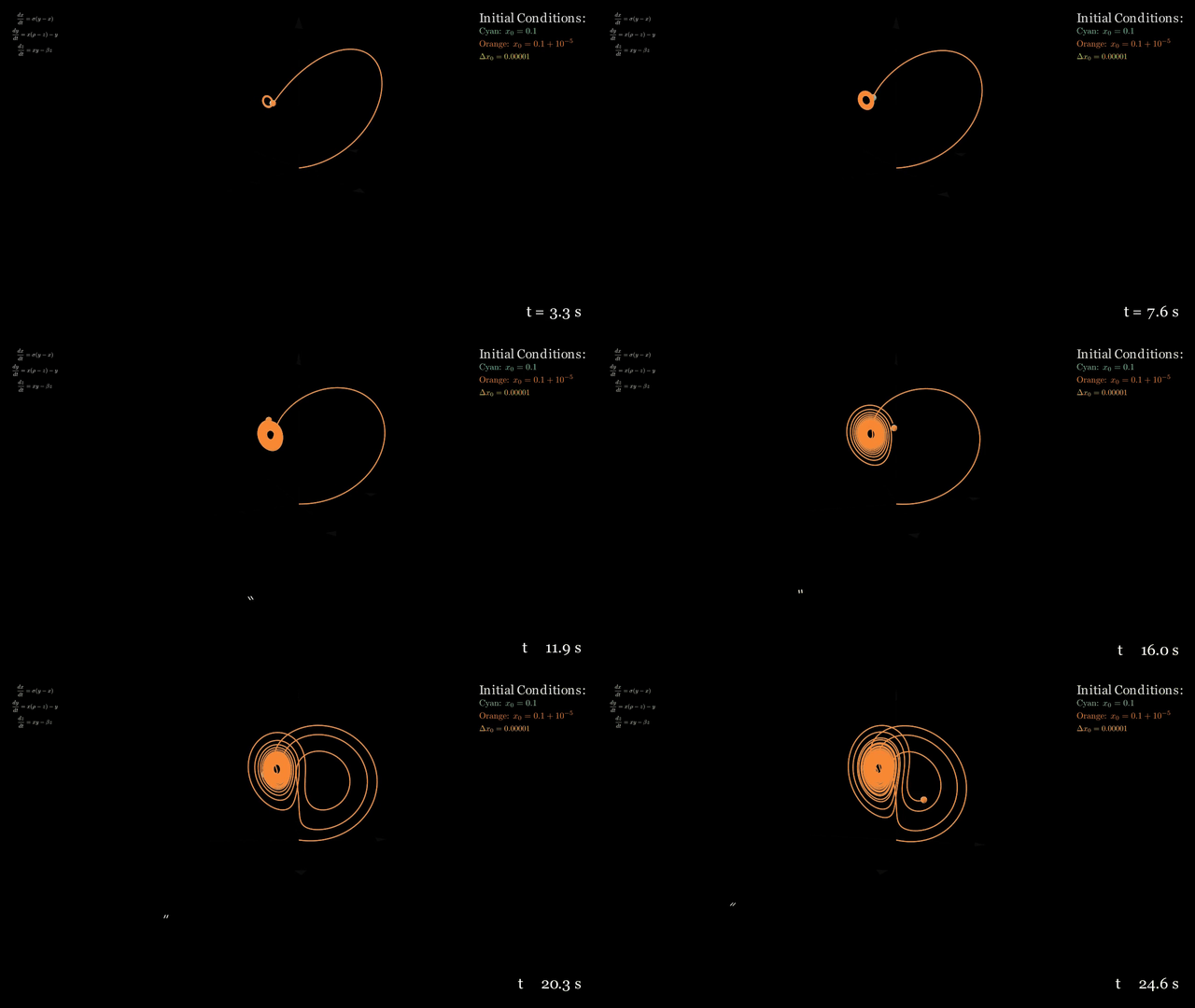
Lorenz attractor · Manim
Two trajectories \(10^{-5}\) apart diverge. Source ↗
Project figures
From coursework & software
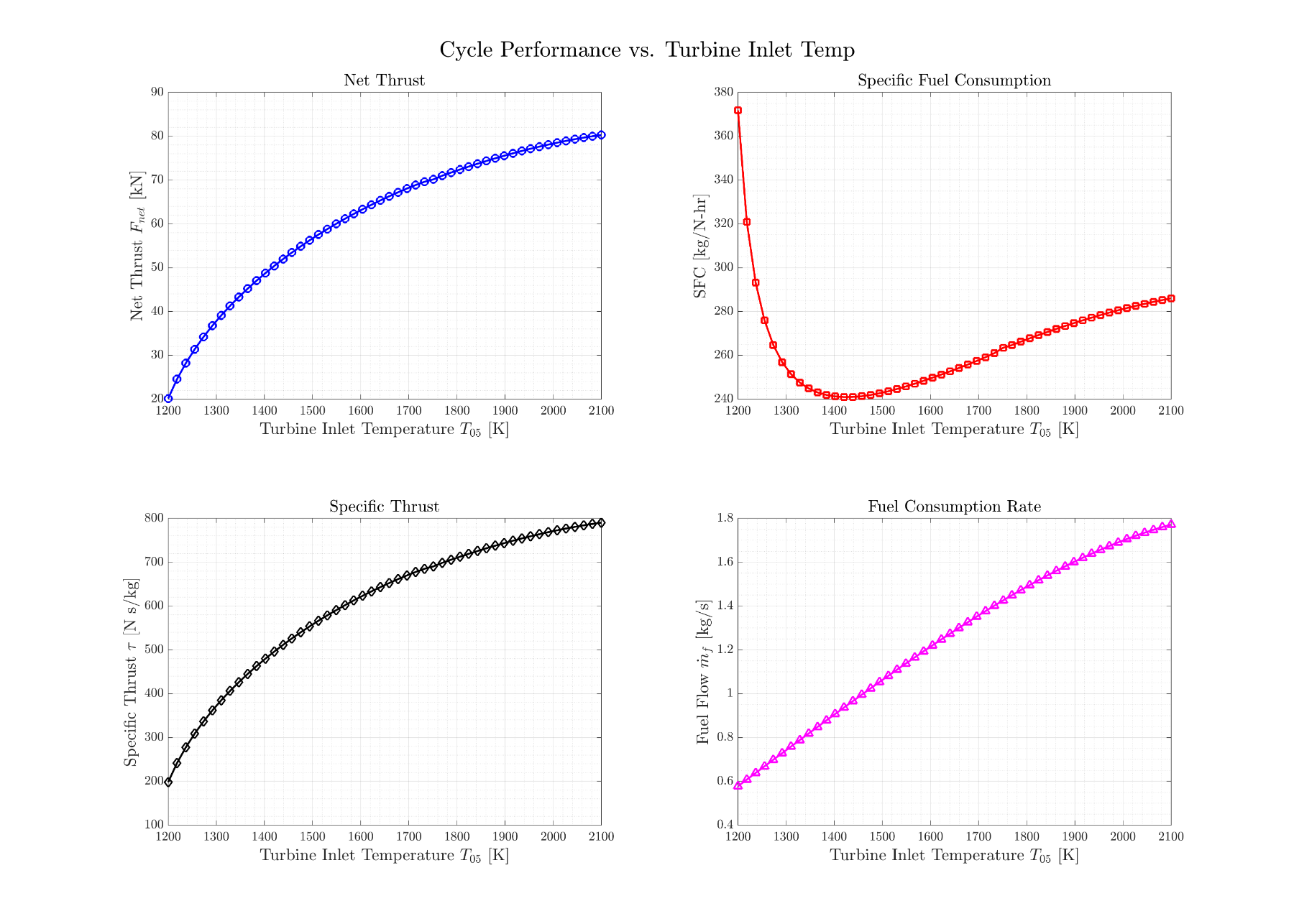
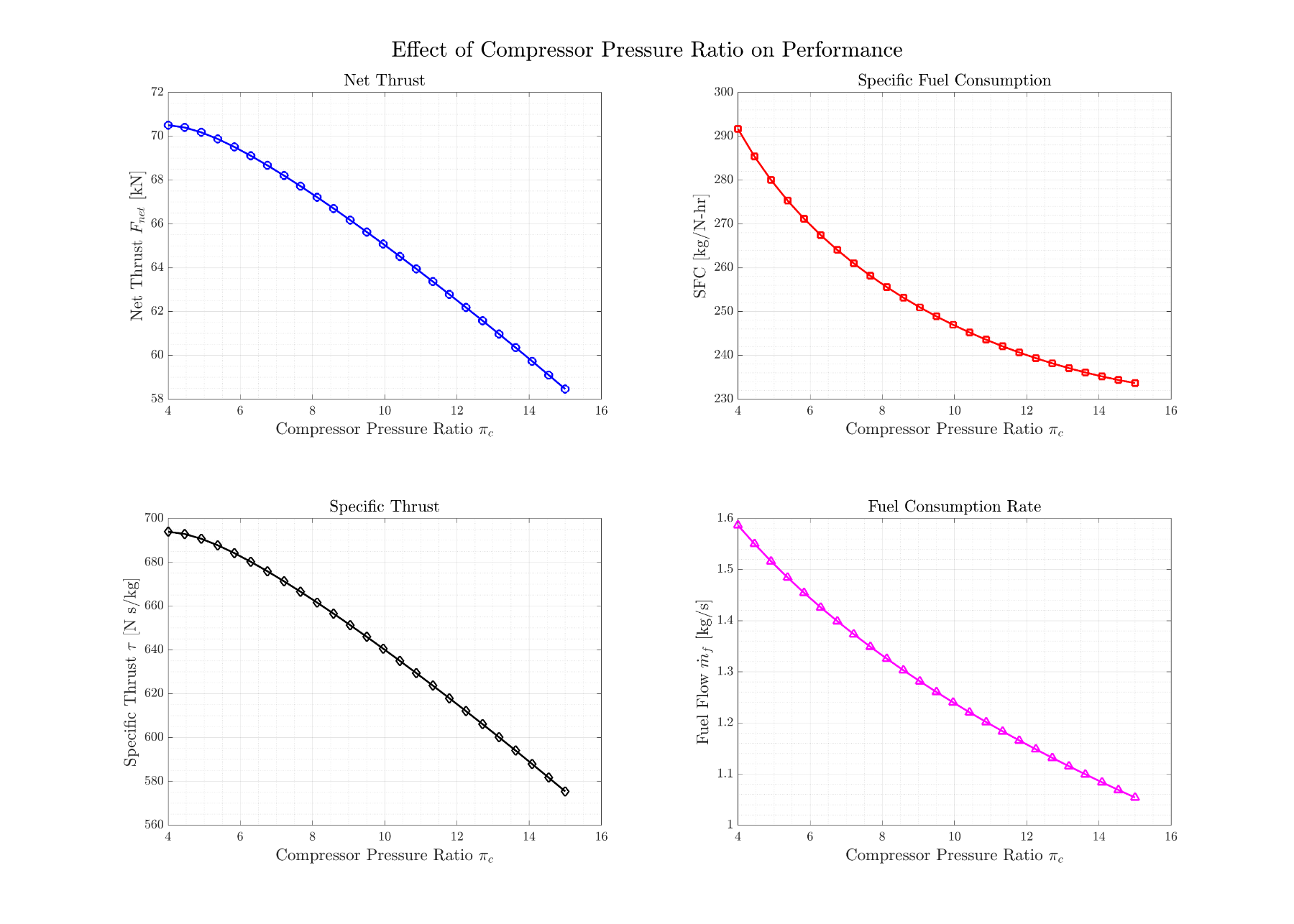
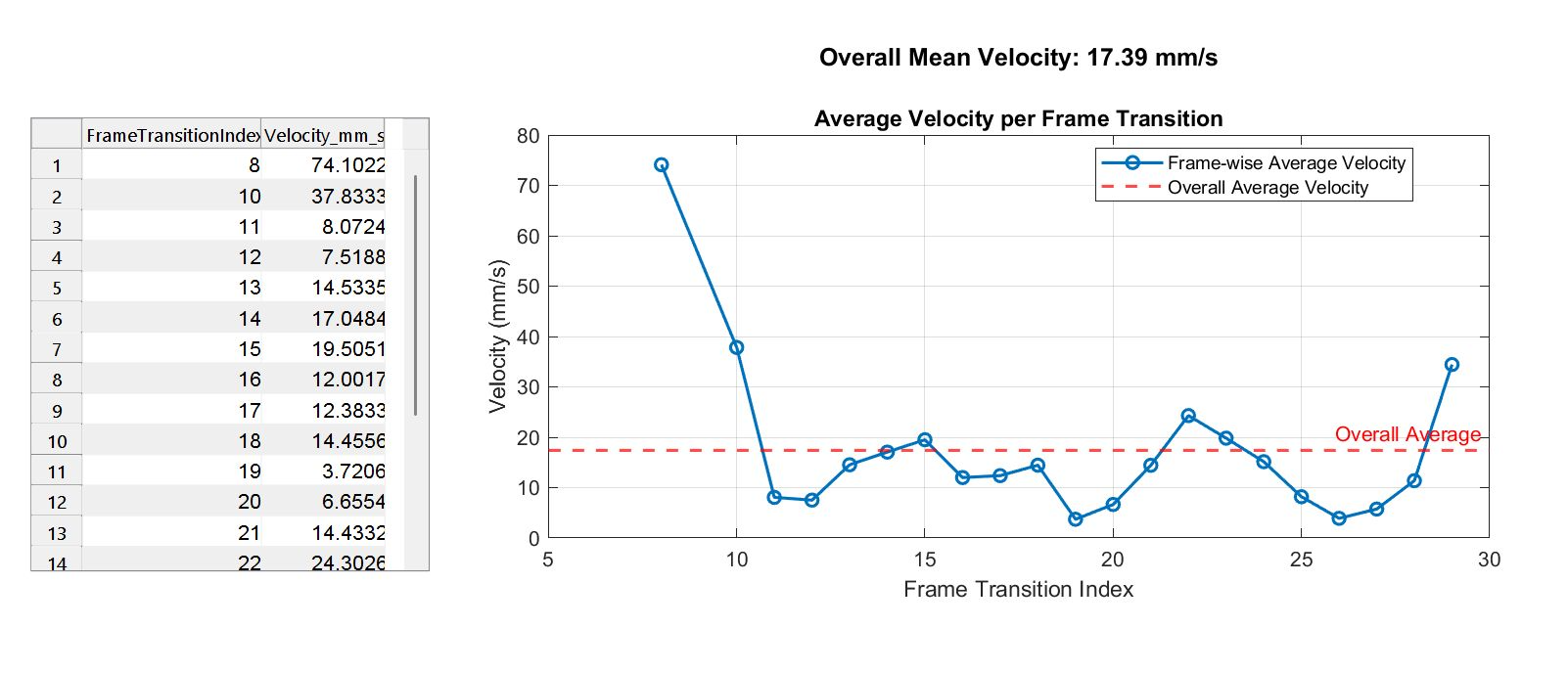
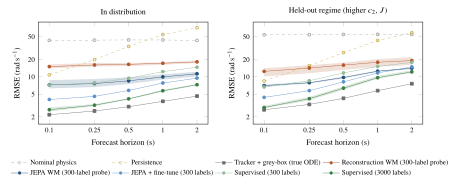
F100 cycle: TIT sensitivity. Thrust, SFC, fuel flow and specific thrust vs turbine inlet temperature.F100 cycle: CPR sensitivity. The same metrics against compressor pressure ratio.Schlieren velocimetry. Mean plume velocity per frame transition from the schlieren tracking.Euler-JEPA: forecast error against horizon. The physics pipeline with the true equation is the most accurate in distribution. The JEPA model beats the reconstruction model trained the same way.
Photos
From the lab
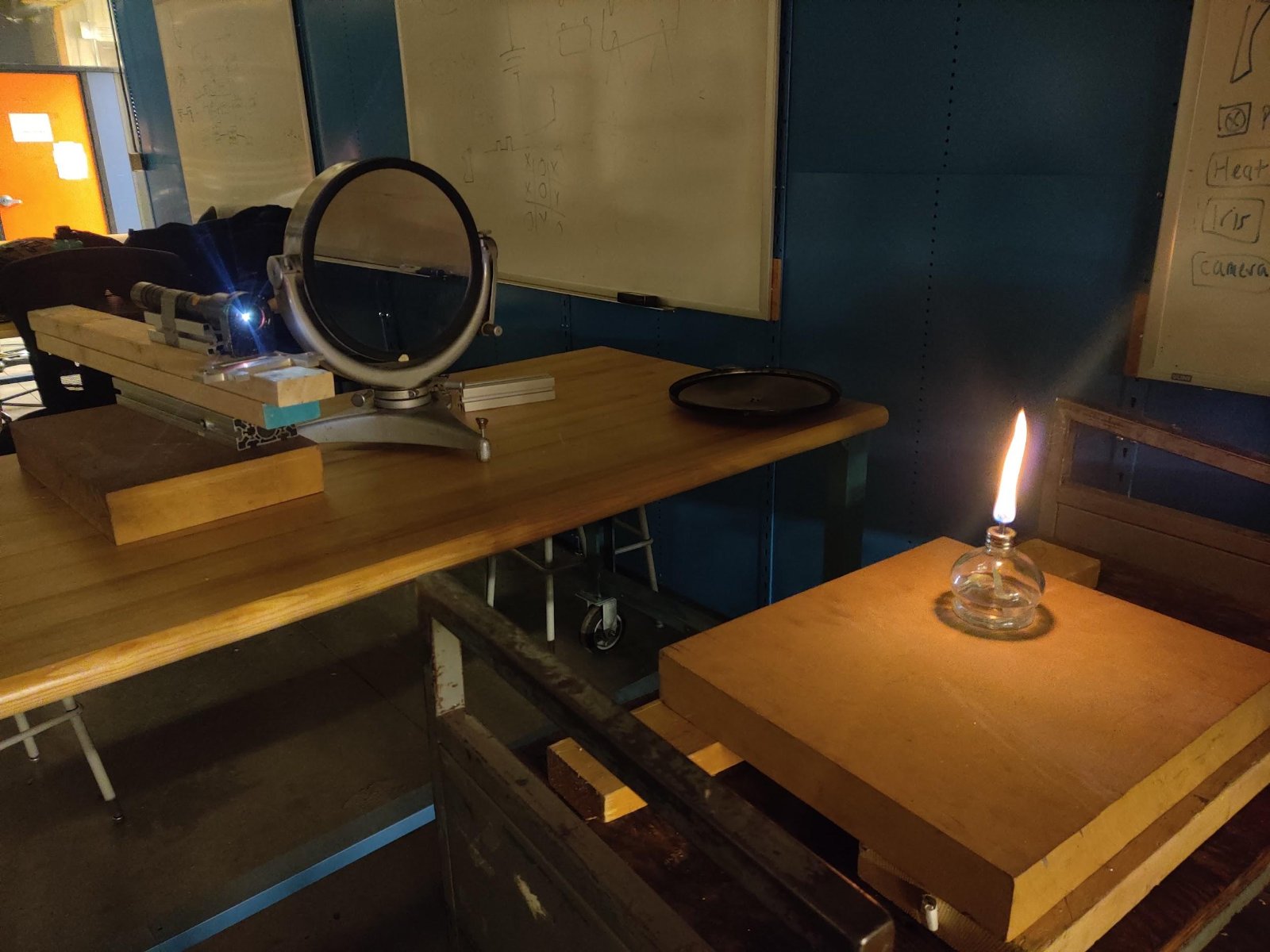
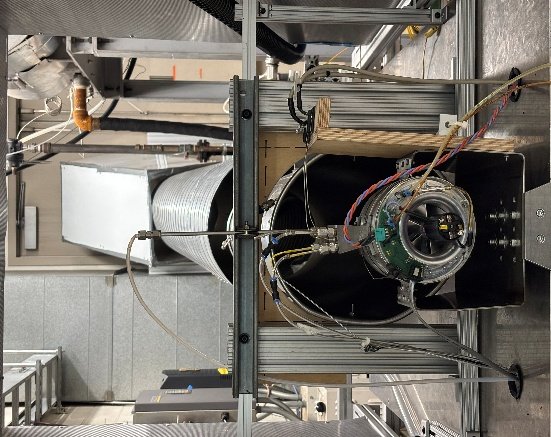
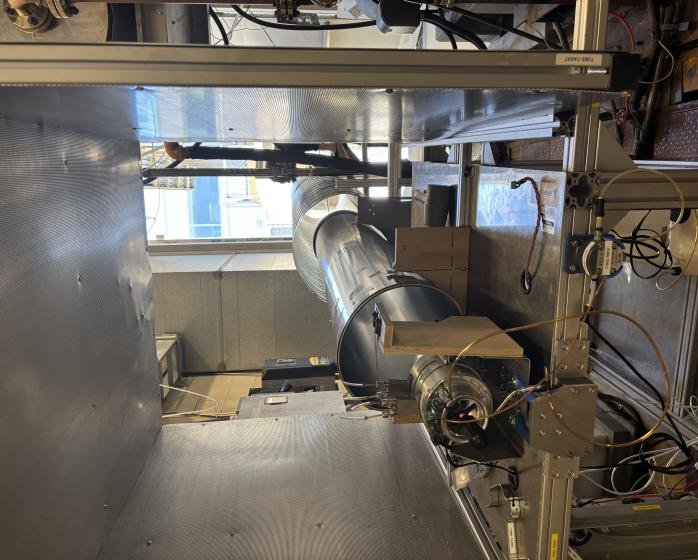
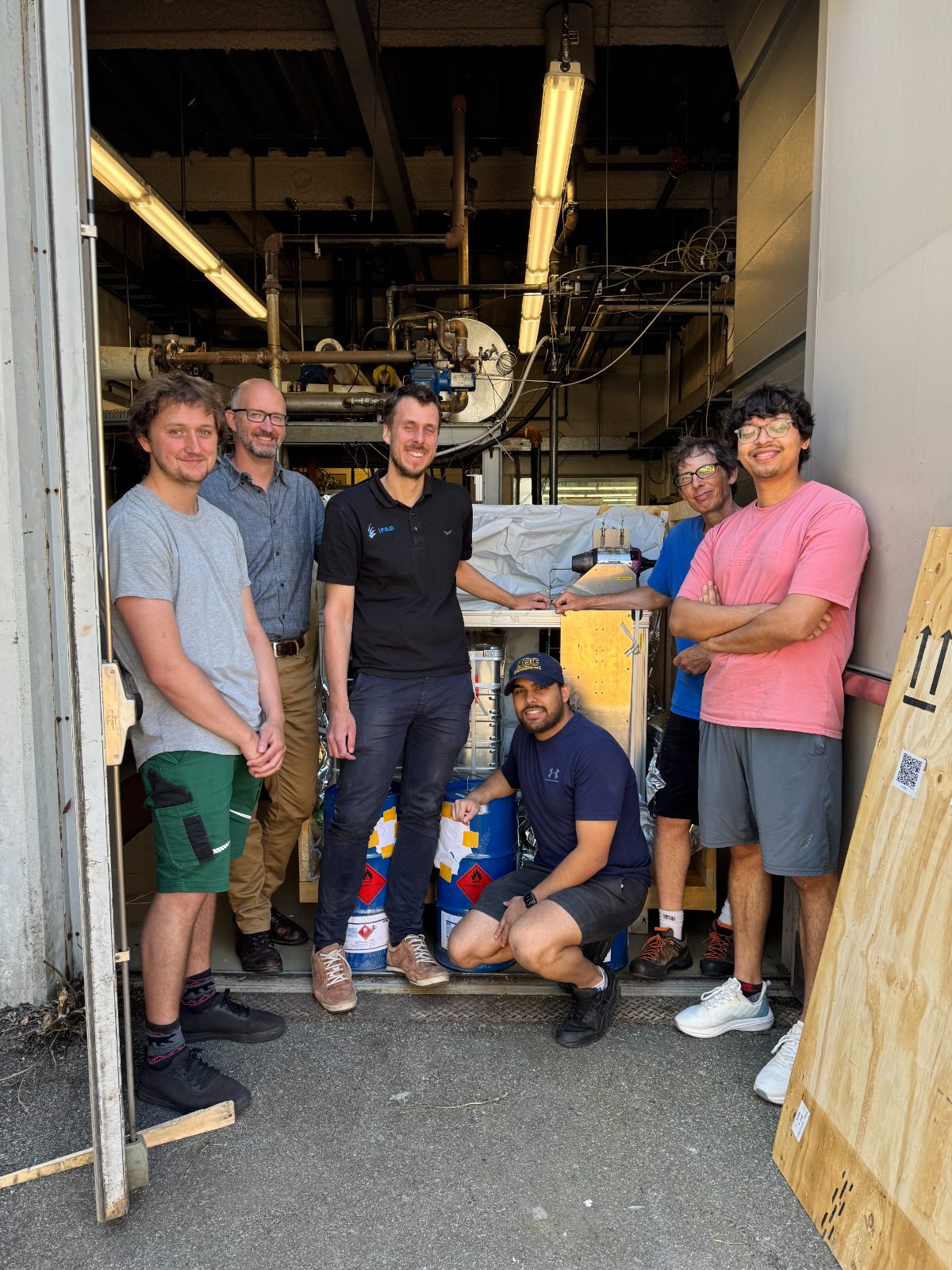
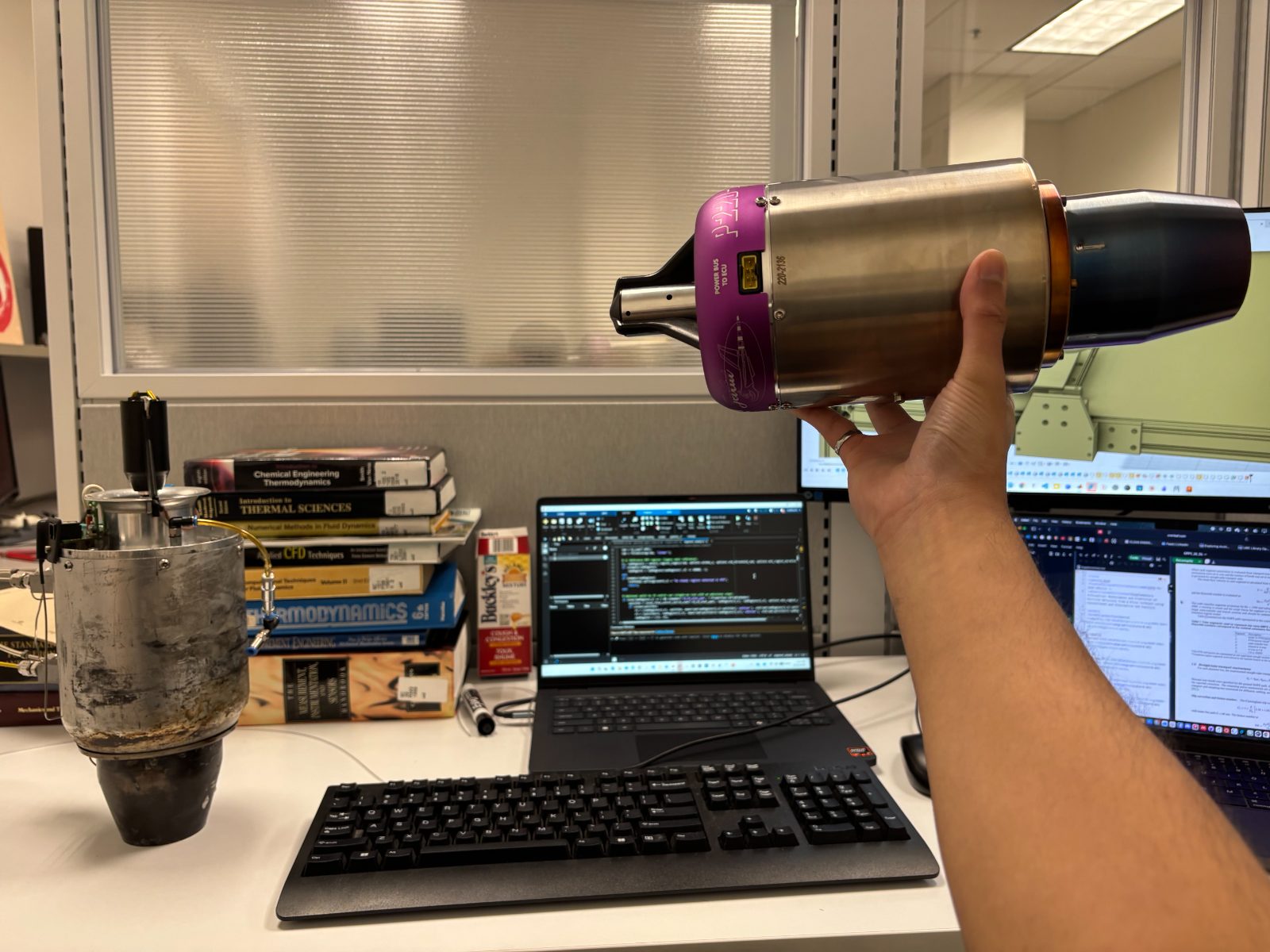
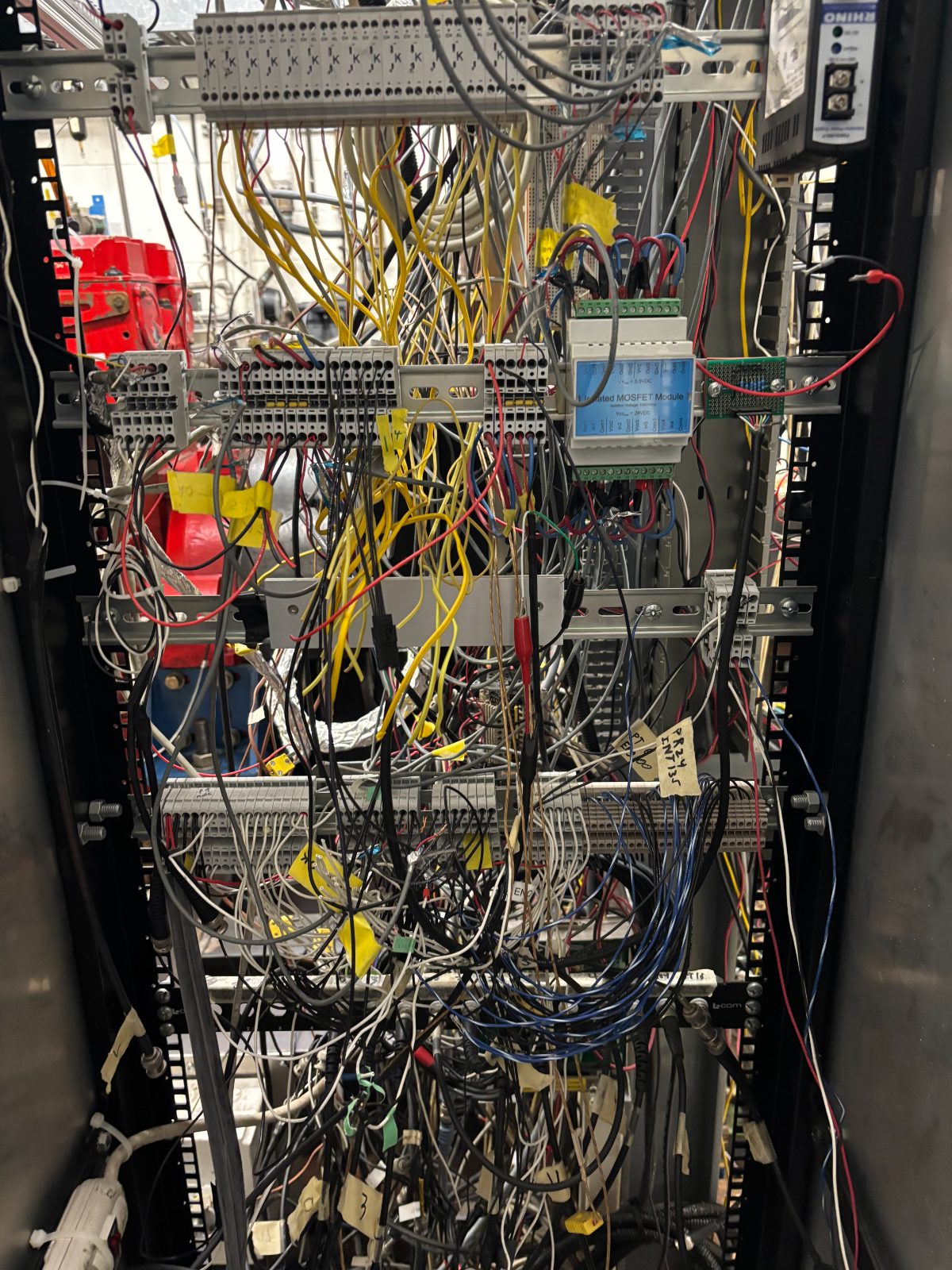
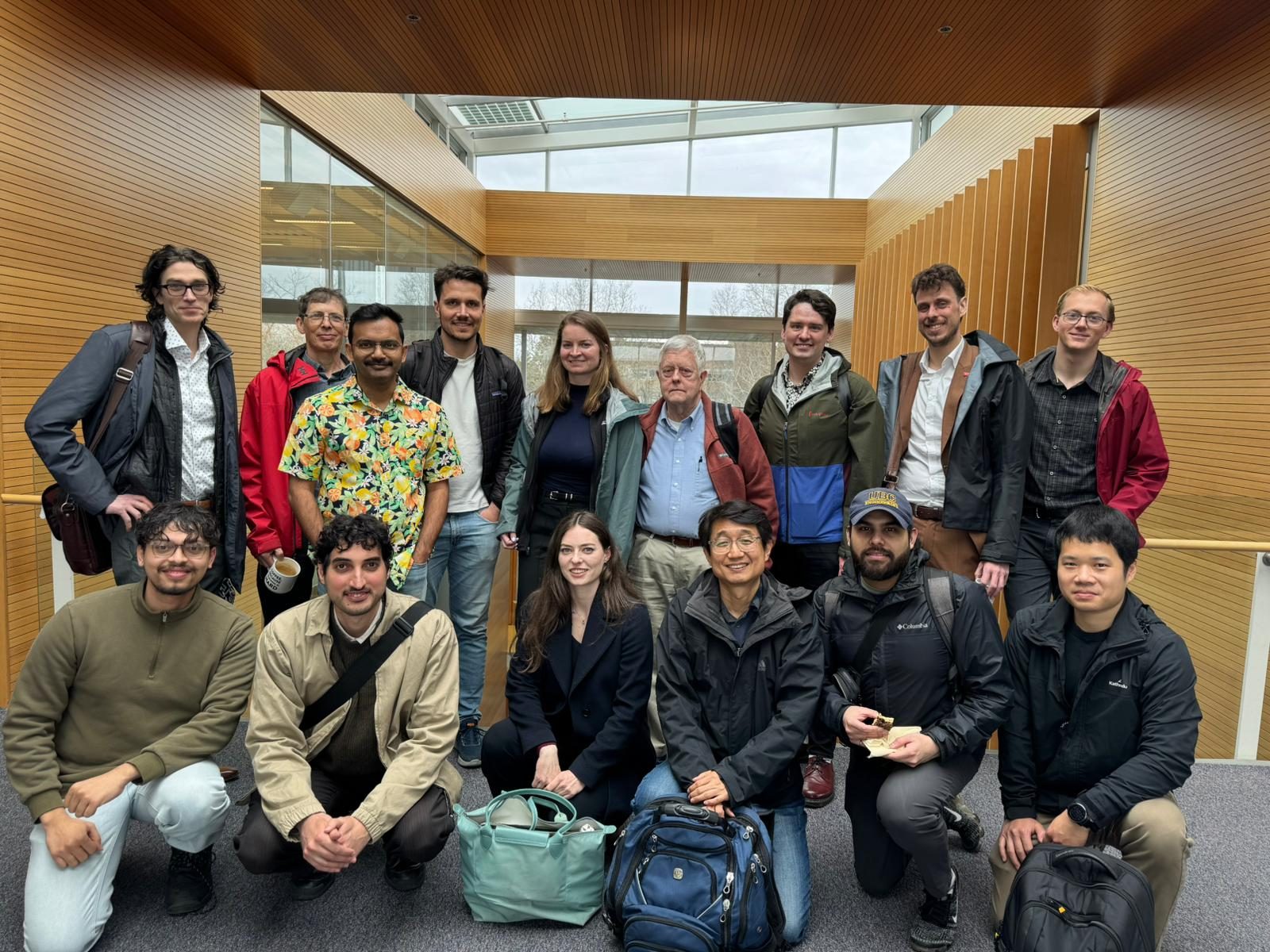
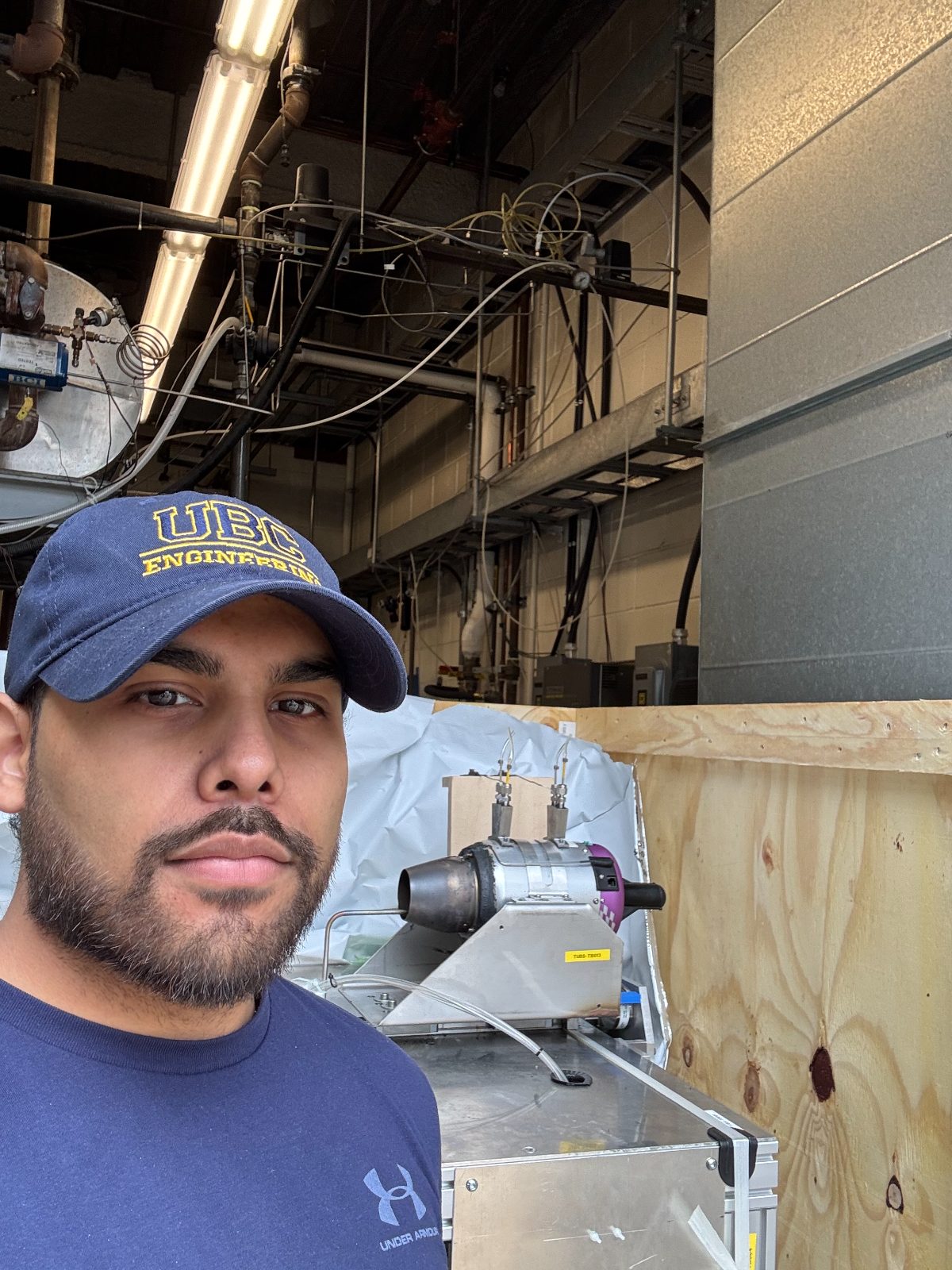
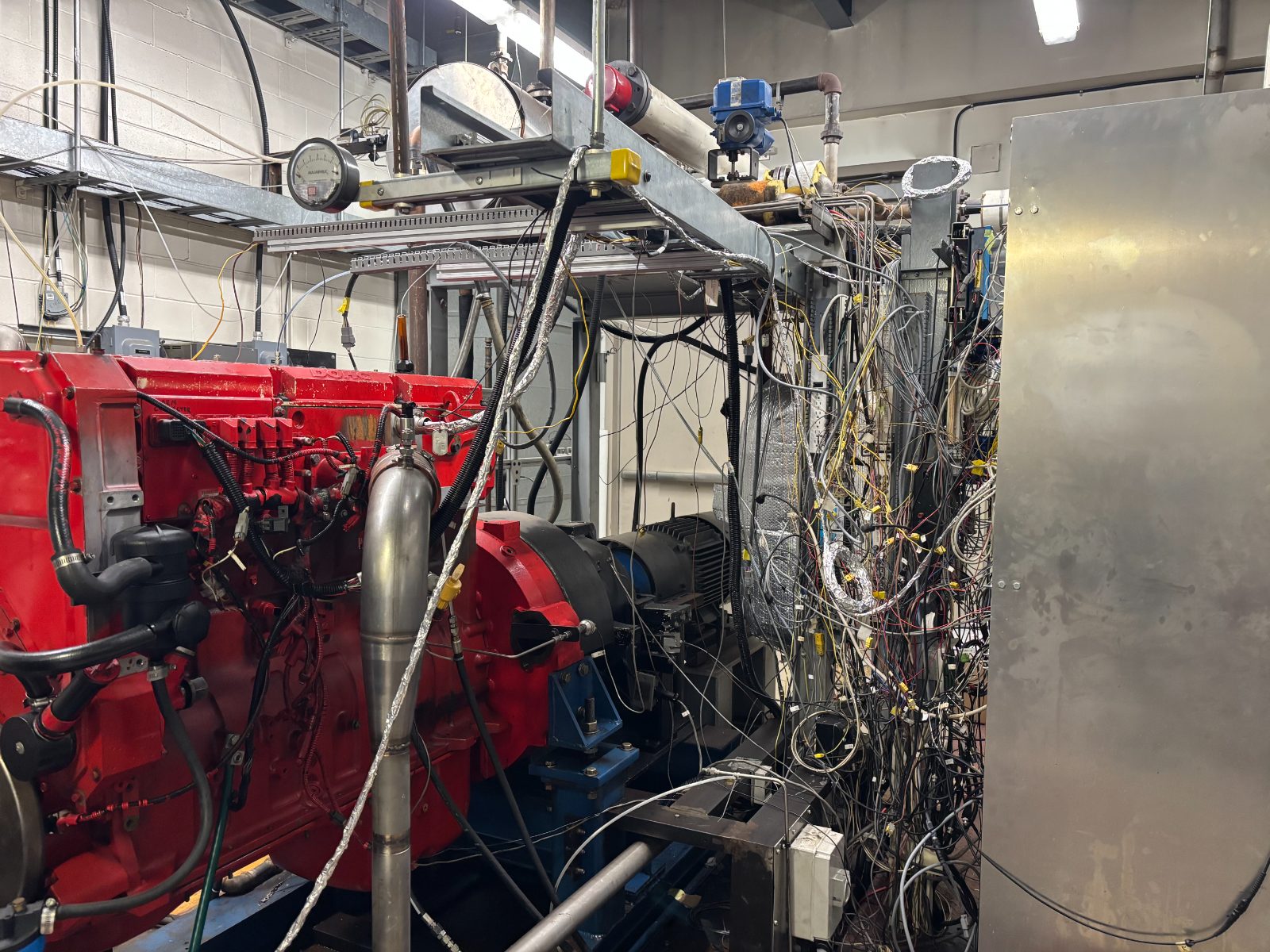
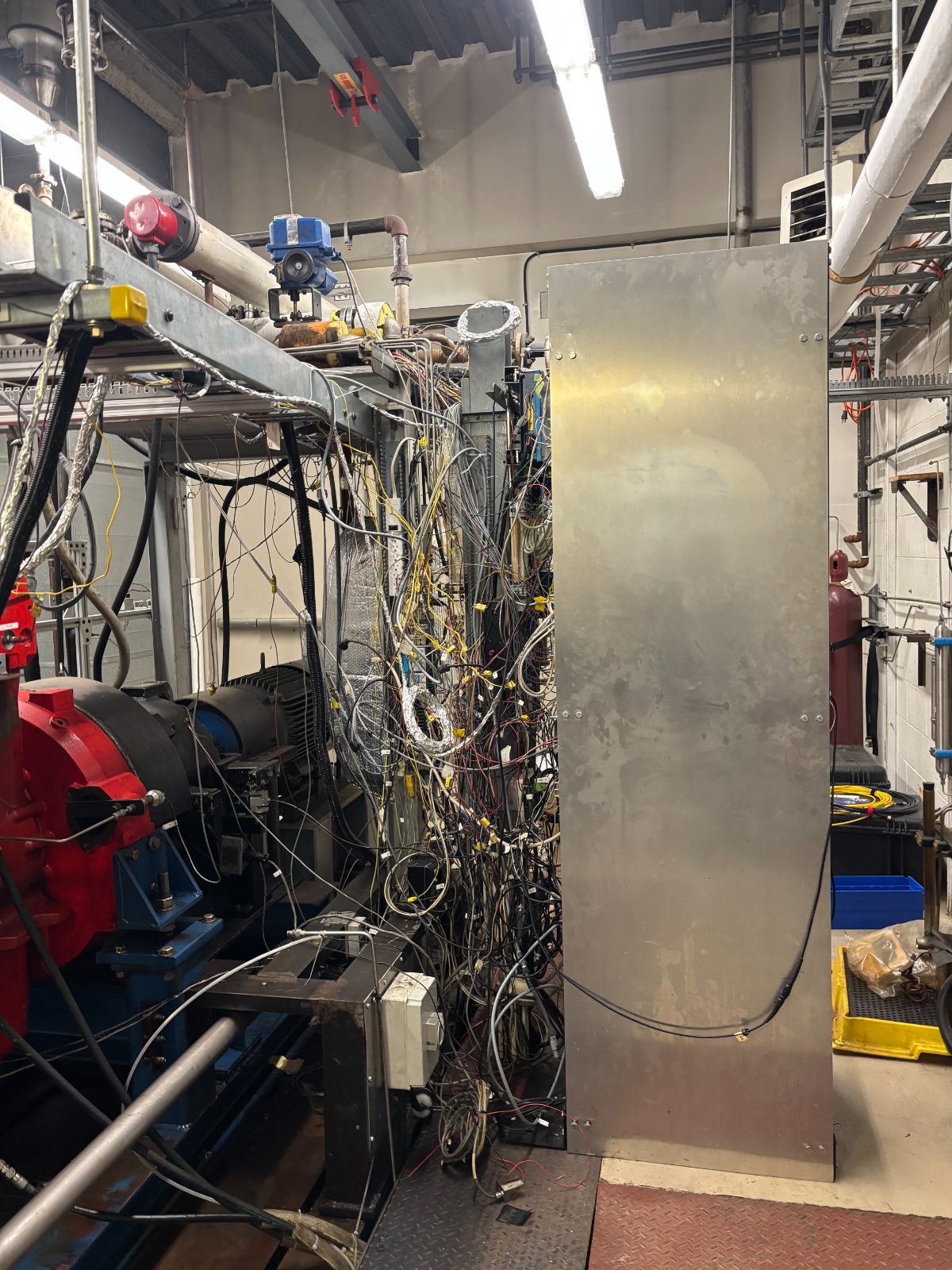
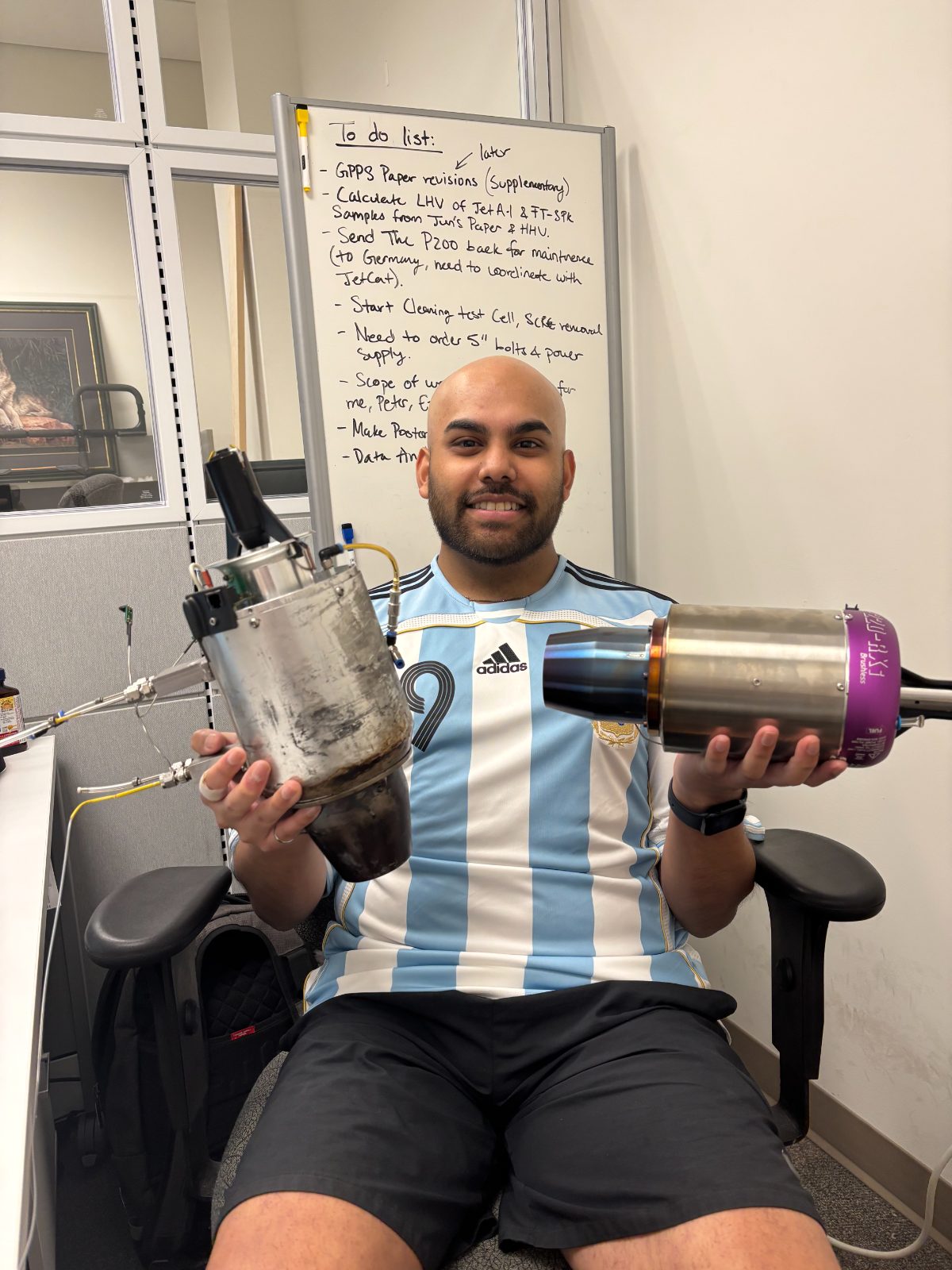
Schlieren setup: parabolic mirror, knife edge and heat sourceJetCat P220-RXi, the new engineP200-SX exhaust ductingThe team behind this work during the initial engine setup, summer 2025P200-SX engine core and instrumented combustor linerLegacy SCRE DAQ cabinet, traced during decommissioningJET-CALF collaborators, UBCUnboxing the engine shipped from the TU Braunschweig lab in GermanySCRE test cell before decommissioningSCRE instrumentation and cable runs before removalOur two turbojets, old and new: P200-SX (left) and P220-RXi (right)