01
Micro-Turbojet Testing
Repeatable, back-to-back engine tests in a controlled test cell.
MASc student in Mechanical Engineering at UBC, expected to finish in summer 2027. My graduate research is experimental: I run a micro-turbojet on conventional and sustainable jet fuels, and measure its performance, gaseous emissions and particles. Alongside it, I carry out independent studies of turbulence and reacting flows.

A small jet engine, run carefully, as a test bed for jet fuels.
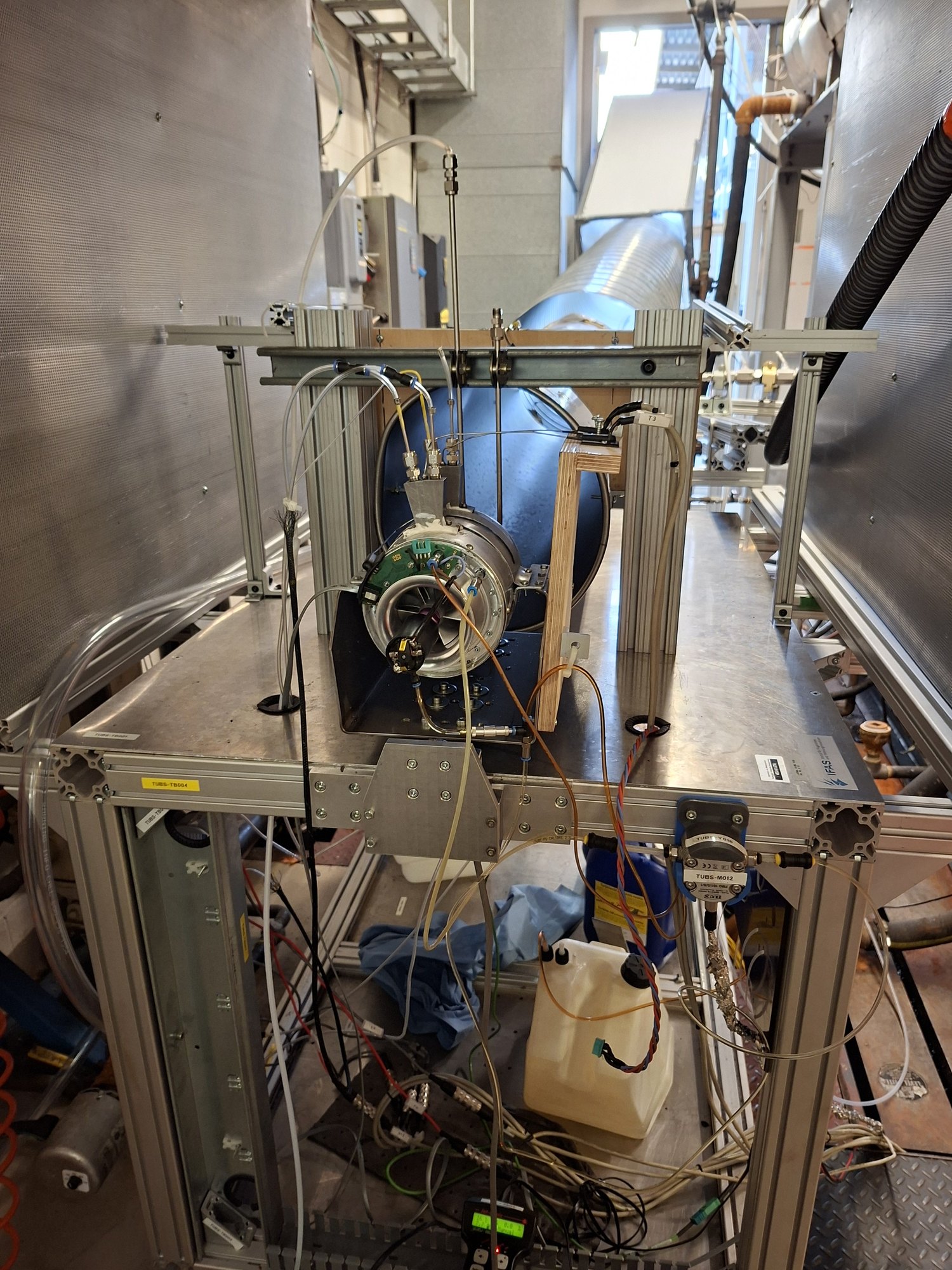
I commissioned a JetCat P200-SX micro-turbojet test rig at UBC’s Clean Energy Research Centre. A small engine is cheap to run, and I can test fuels back to back under the same conditions. At maximum thrust, its combustor-inlet temperature and pressure are close to those of a V2500 turbofan at idle.
I measure thrust, fuel flow, temperatures, pressures, gas emissions and particle size distributions. Our partners at TU Braunschweig use these data to calibrate and test a chemical reactor network model of the combustor.
| Max spool speed | 112,000 rpm |
| Max thrust (rated) | 230 N |
| Overall pressure ratio | ≈ 4 |
| Air mass flow (rated) | 0.45 kg/s |
| Fuel flow at max thrust (measured) | 0.0101–0.0103 kg/s |
| Fuels tested | Jet A-1 · FT-SPK |
Each entry gives what I did and one piece of evidence. The project pages give the methods, the sources and the limits.
 Graduate research · facility
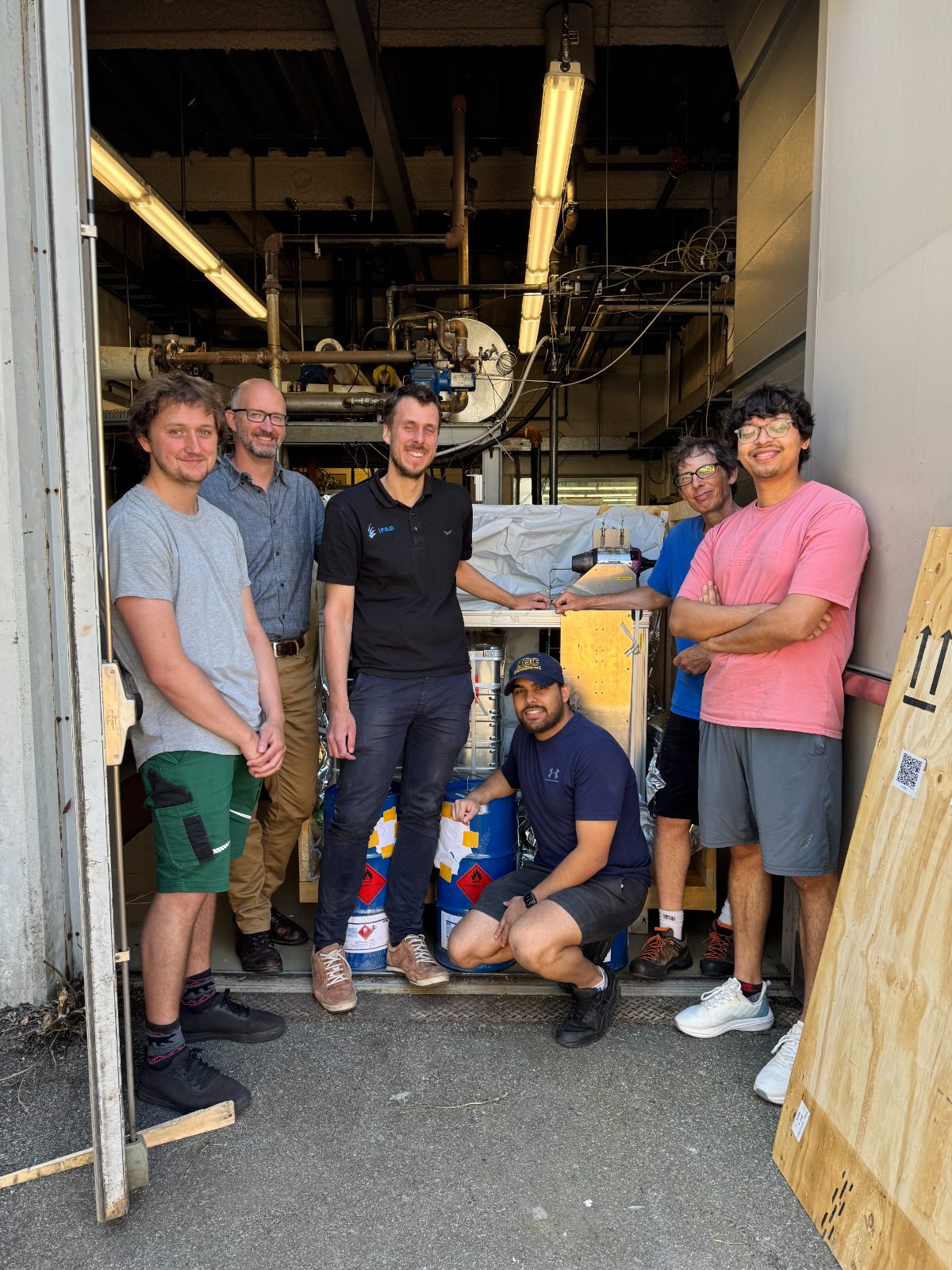
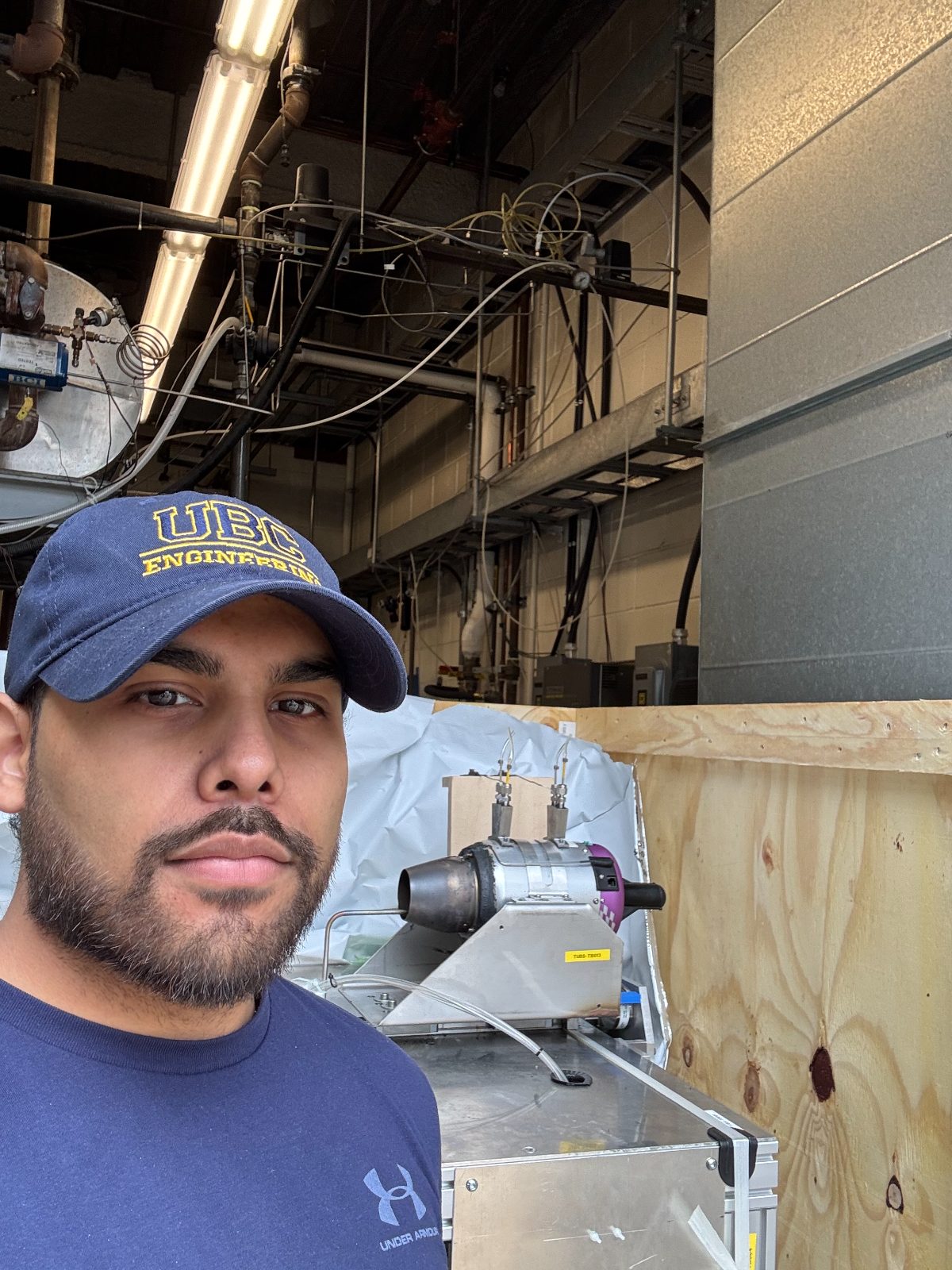
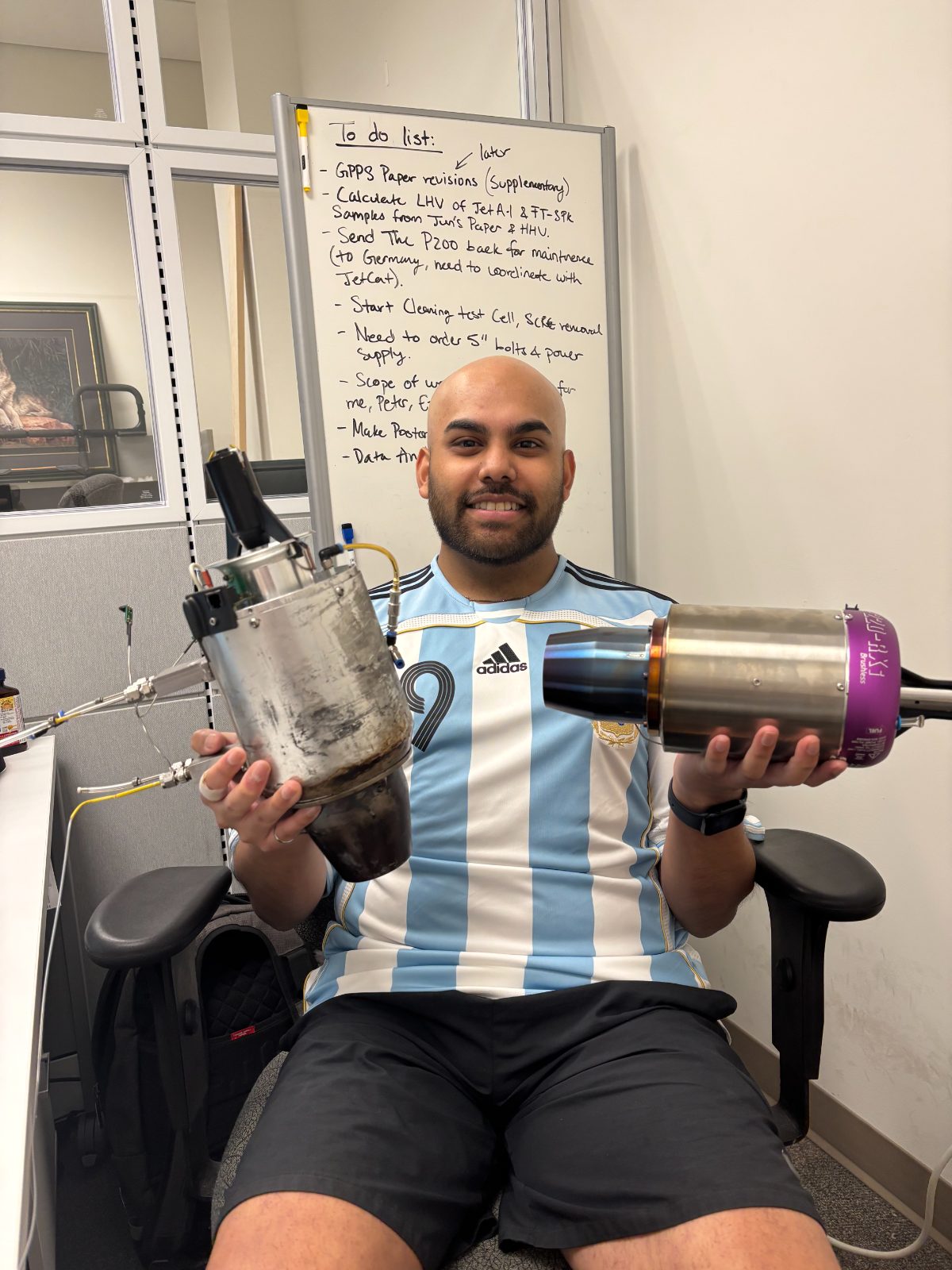
Repeatable, back-to-back engine tests in a controlled test cell.
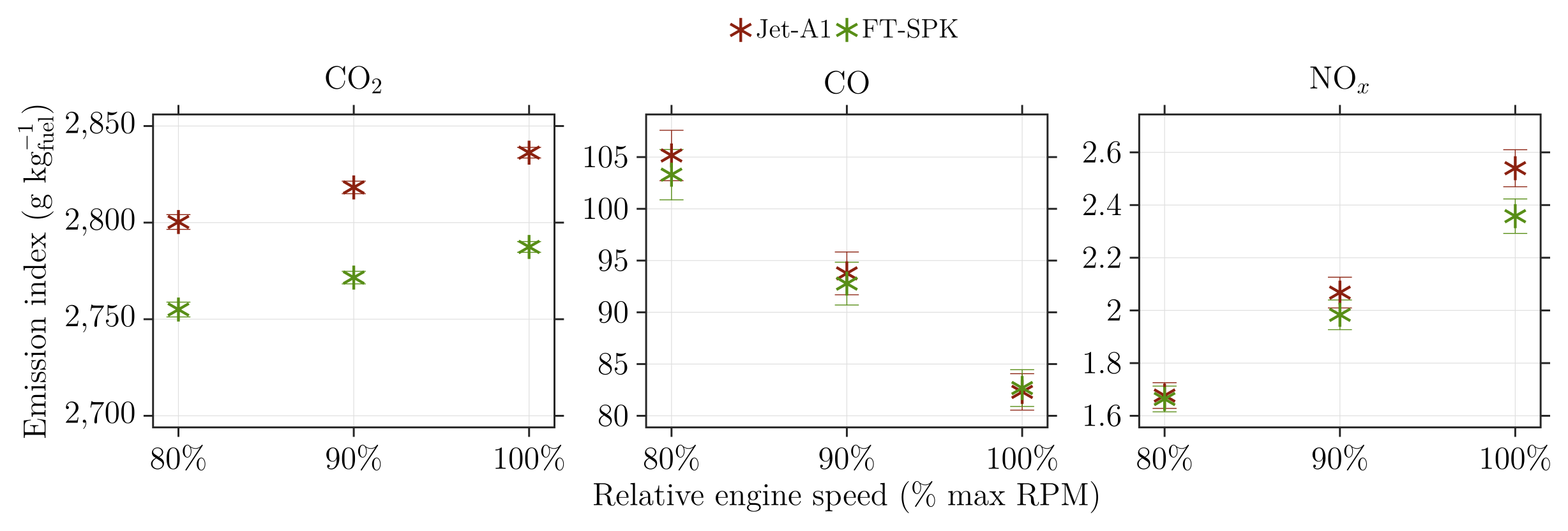
How sustainable fuels change gas and particle emissions.
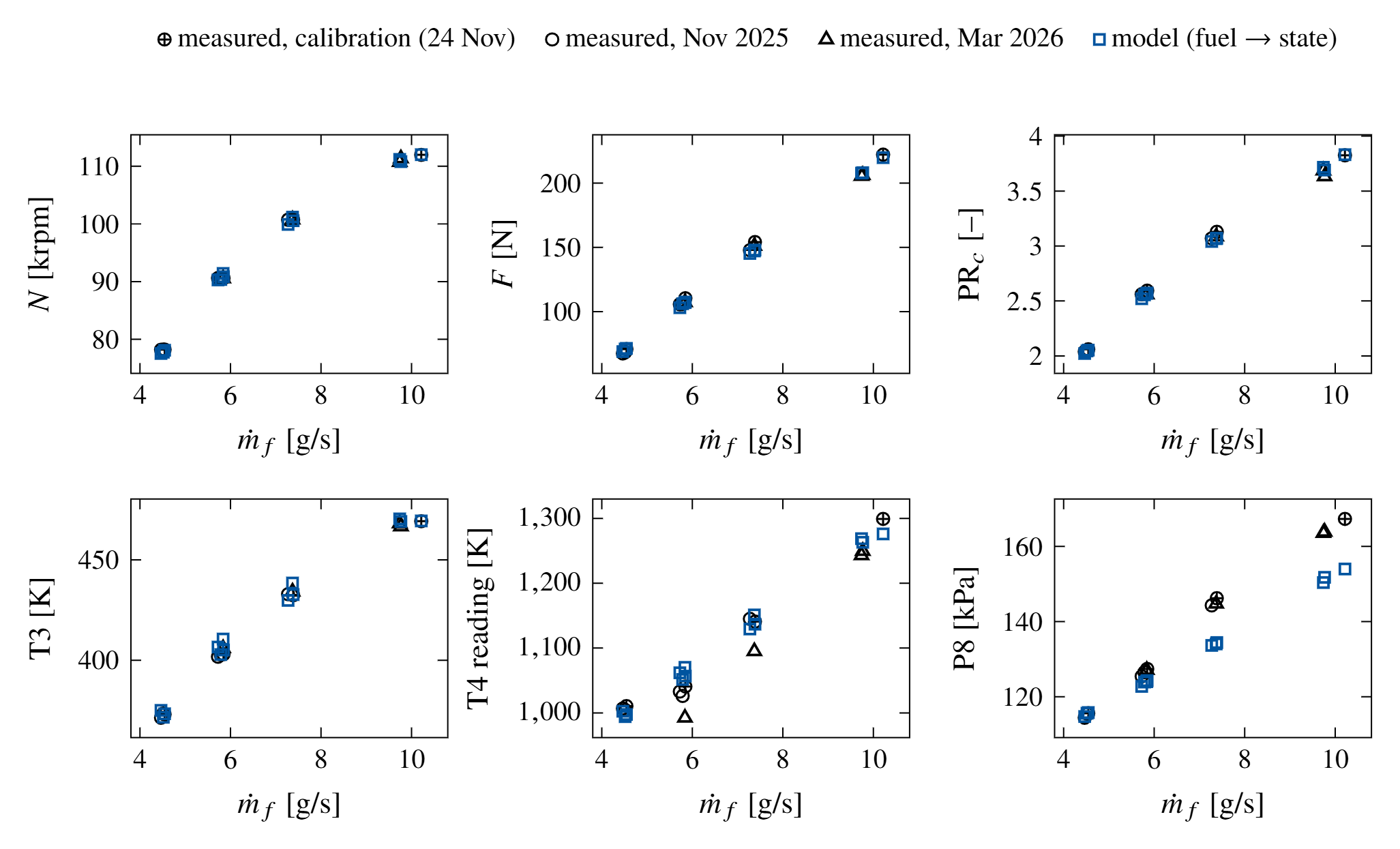
Reactor-network models of the combustor, calibrated and tested with our engine data.
How results from a small engine relate to a full-scale turbofan.
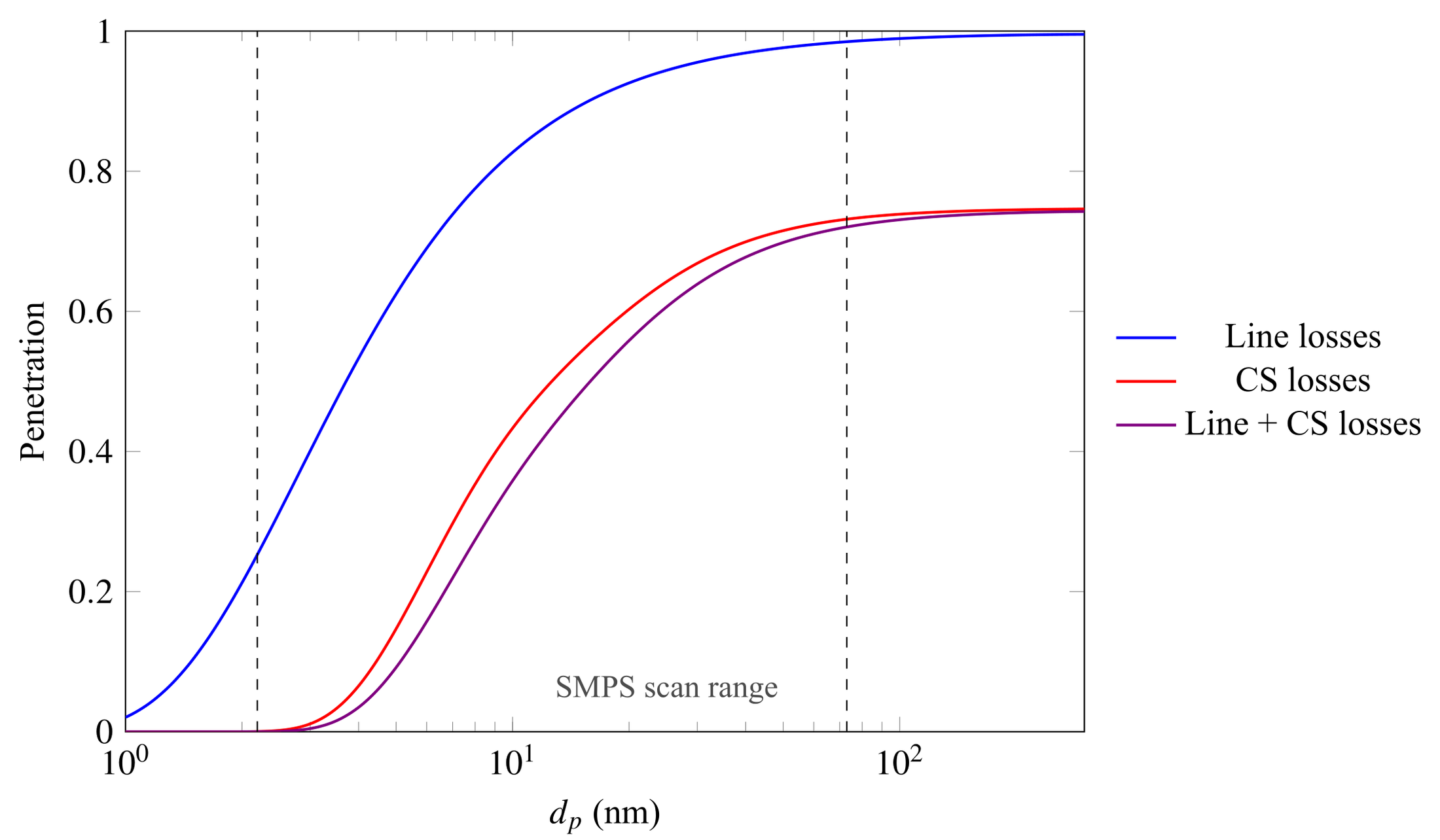
Soot particle size distributions, with loss corrections for the sampling line.
Turbulent combustion, combustor–turbine interaction, contrail formation and drop-in alternative aviation fuels.
JET-CALF studies how fuels and lubricants affect aircraft emissions and contrails. It connects UBC, TU Braunschweig, Tampere University and Sungkyunkwan University. I lead the micro-turbojet task: I plan and run the engine tests, and I measure performance and gas emissions on the P200-SX.
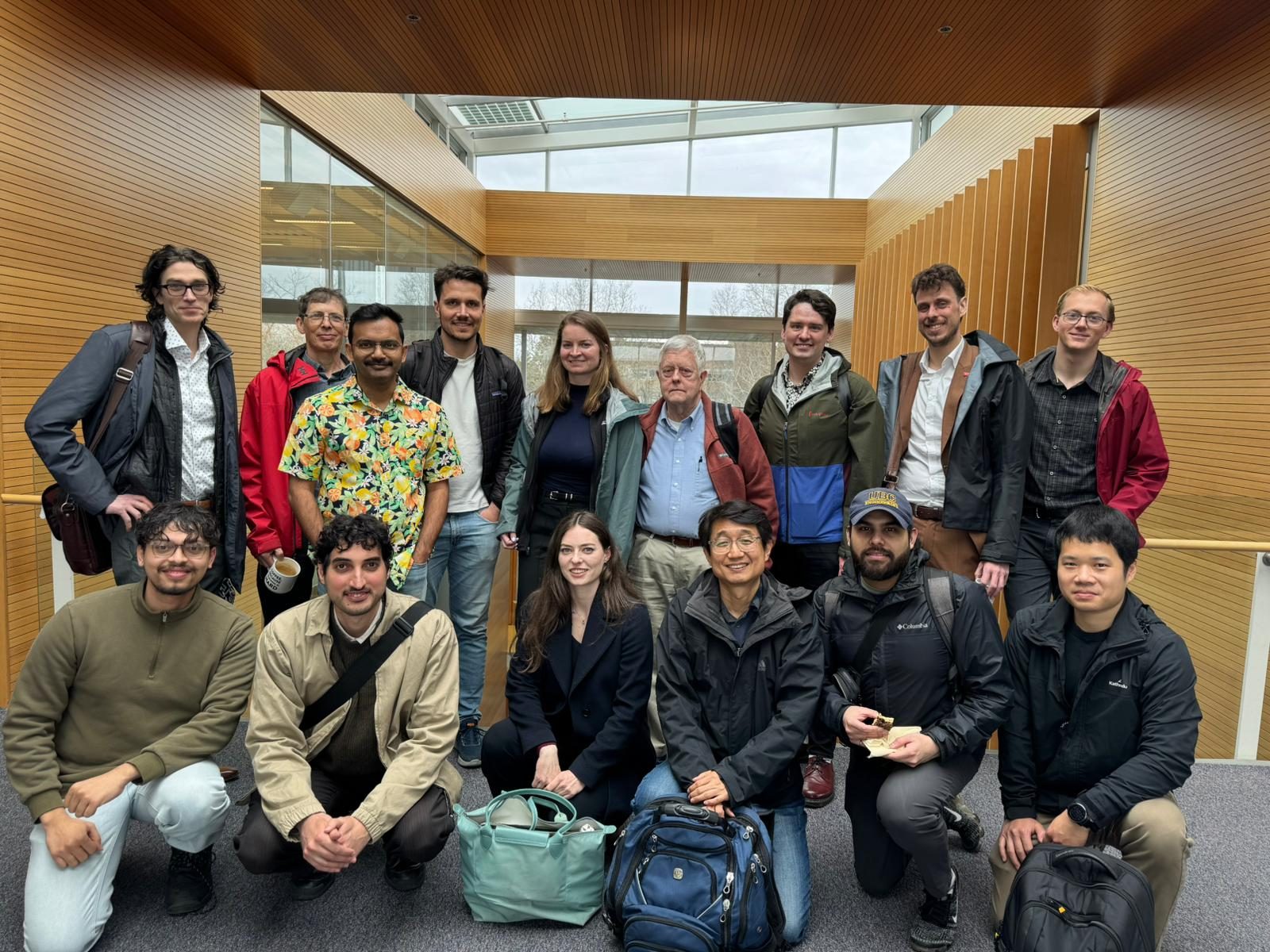
My research interest is to follow fuel effects through the engine. How do fuel properties change mixing, reaction and heat release in the combustor? And which of those differences survive into the flow that enters the turbine? The approach I propose uses measurements first, then RANS constrained by those measurements.
Read the research direction →