SCRE Decommissioning, UBC CERC
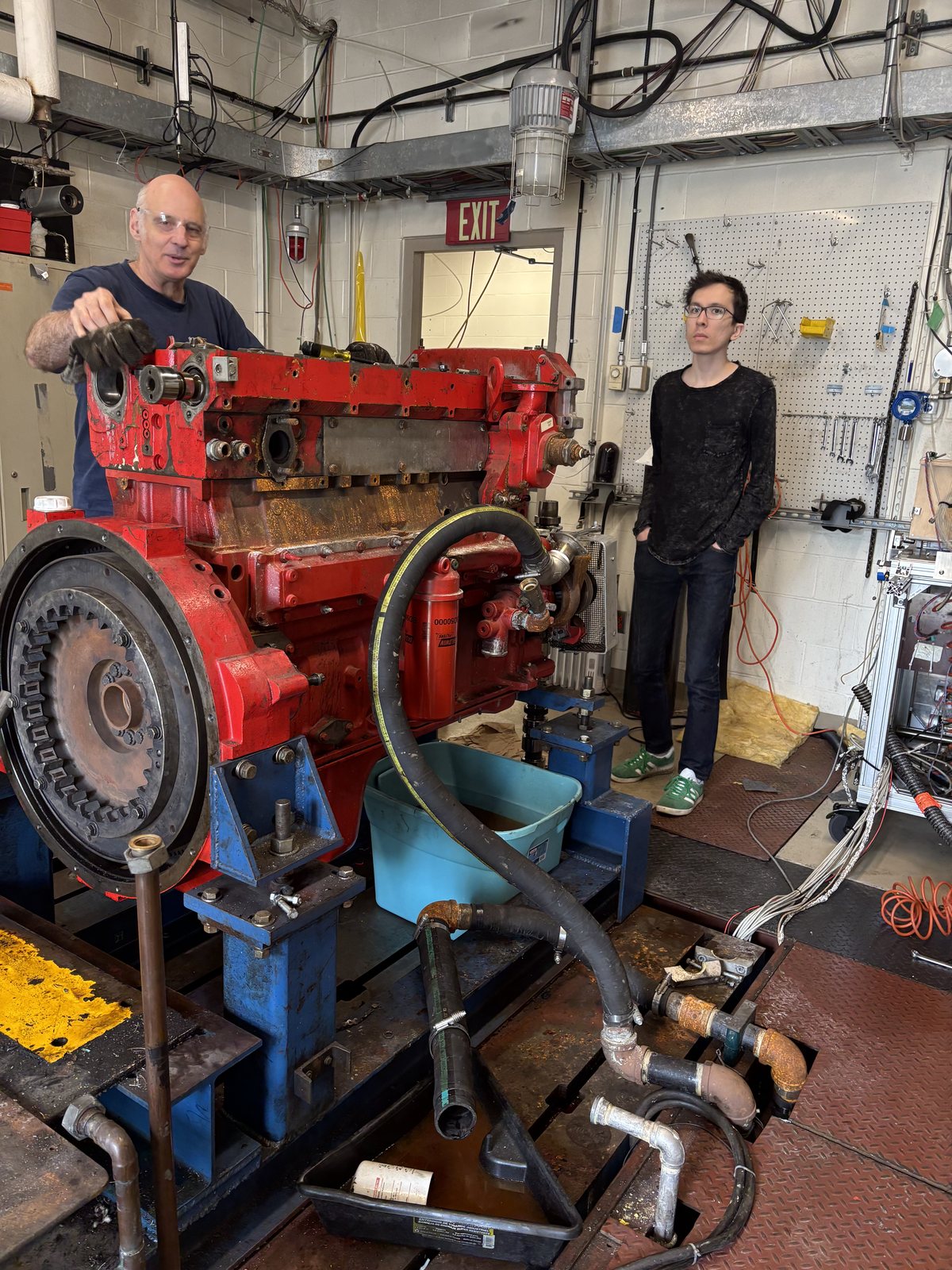
Facility workI led the decommissioning of the legacy Single Cylinder Research Engine (SCRE) facility at UBC’s Clean Energy Research Centre, in two phases. In summer 2025, I removed the SCRE fuel lines and DAQ and made space for our P200-SX micro-turbojet testbed. In summer 2026, we removed the SCRE and its peripherals completely, to make the cell turbojet-specific.
WhatA research-engine facility, not only an engine
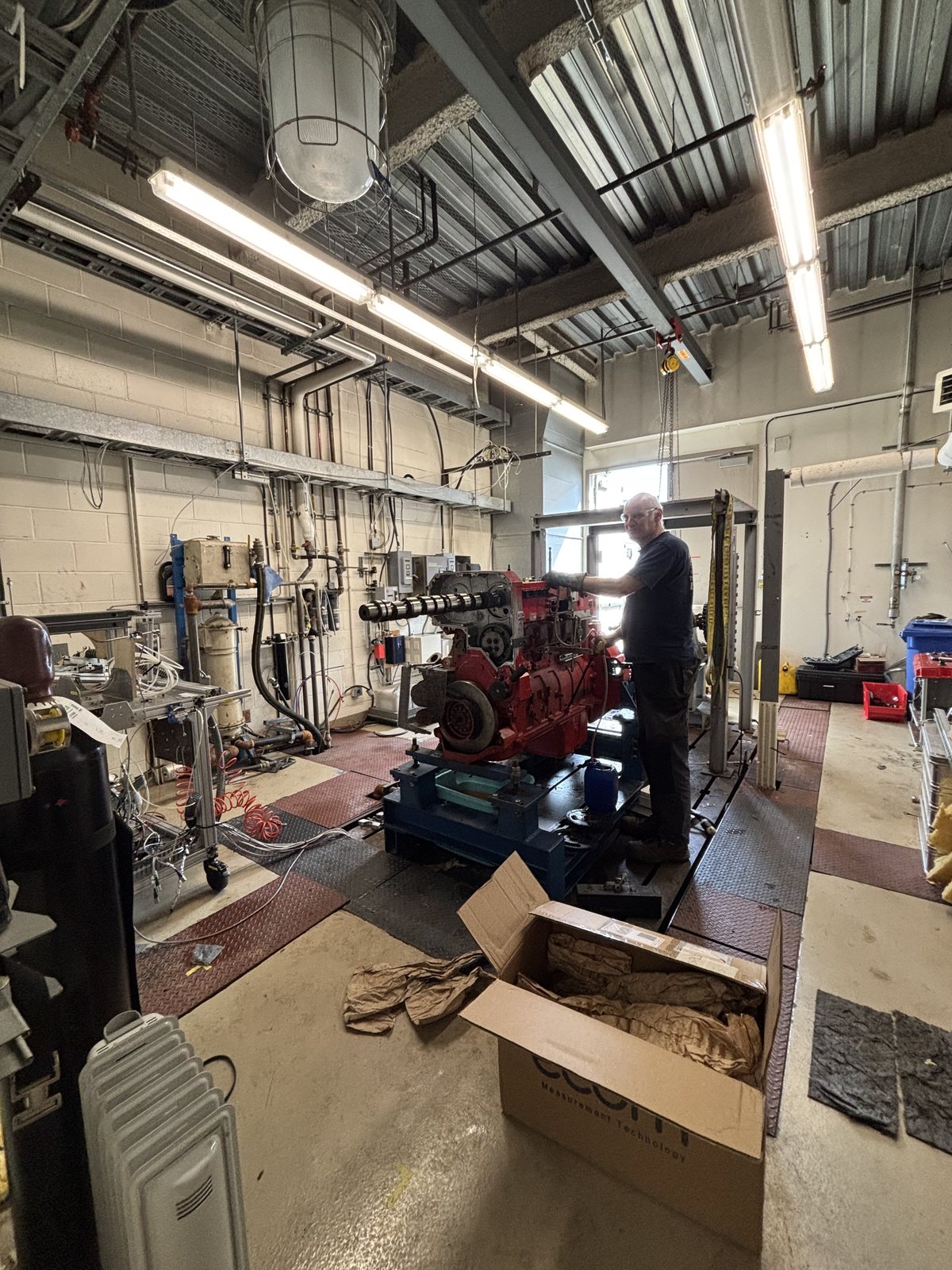
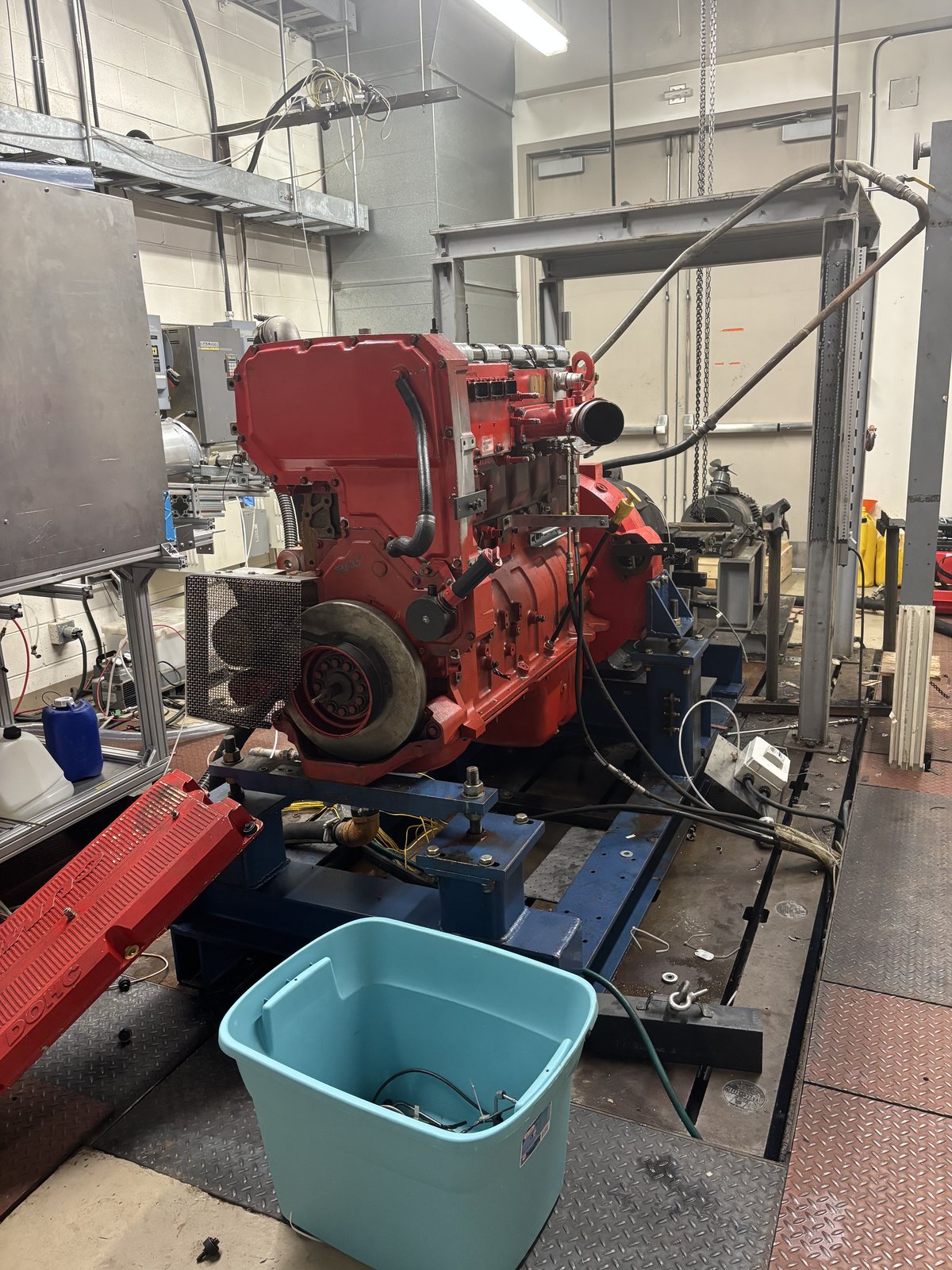
The SCRE was a high-pressure research-engine facility. Over years of combustion and emissions research, a whole system grew around the engine. It had a dynamometer and its own fuel, cooling and compressed-air services. It also had intake, exhaust and EGR hardware, a DAQ and control system, emissions and aerosol instruments, sampling lines and calibration gases.
The cell had to change twice. First it had to make room for a micro-turbojet next to the SCRE. Then it had to become a cell for turbojets only.
HowPhase 1, summer 2025: room for a micro-turbojet
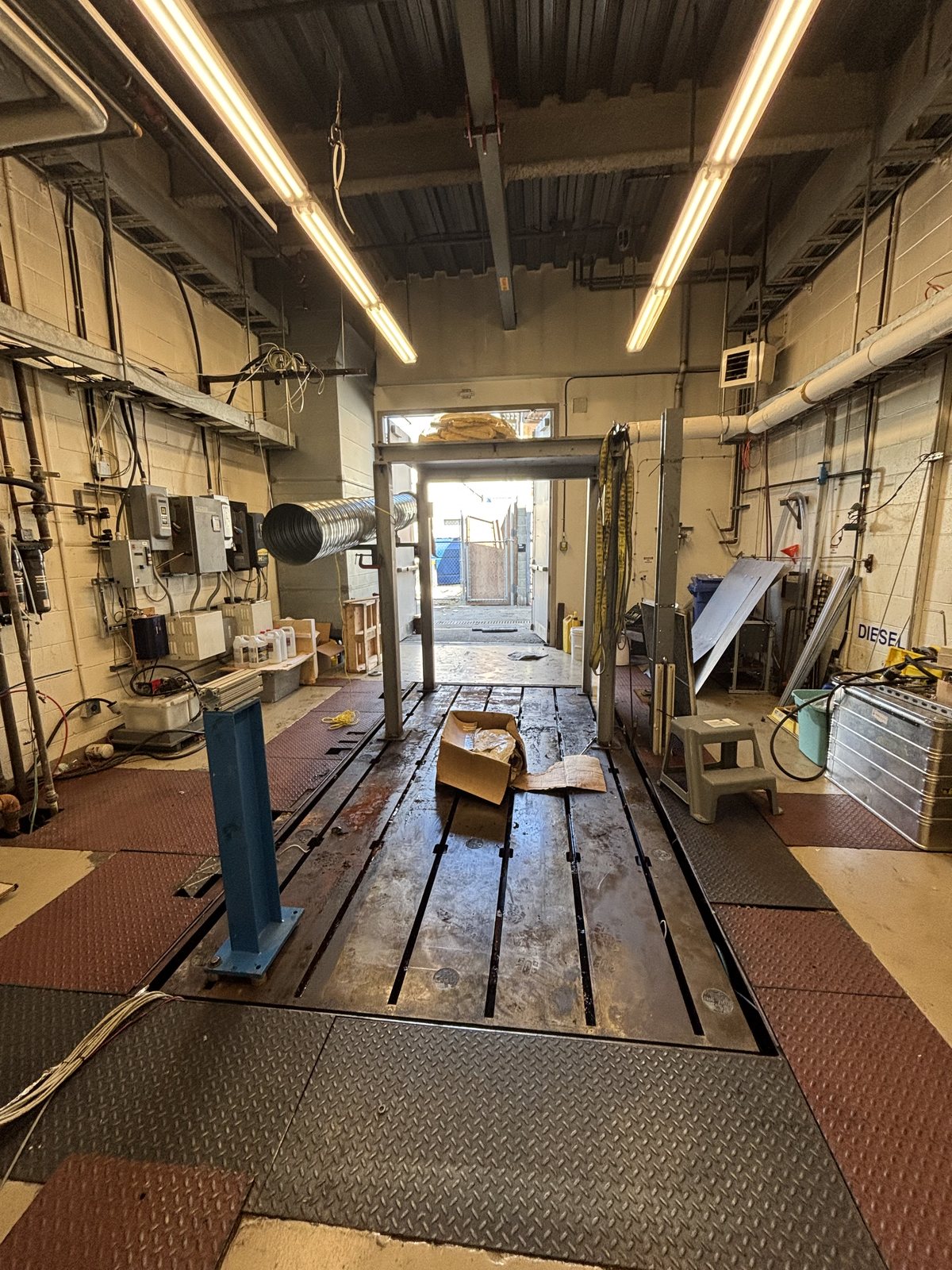
In summer 2025, I decommissioned the SCRE fuel lines, removed its DAQ and cleared space in the cell. We installed the JetCat P200-SX testbed in that space and ran the engine. The JET-CALF, CRN and nvPM fuel campaigns all ran in this cell.
For the DAQ and the fuel lines, the work followed three steps:
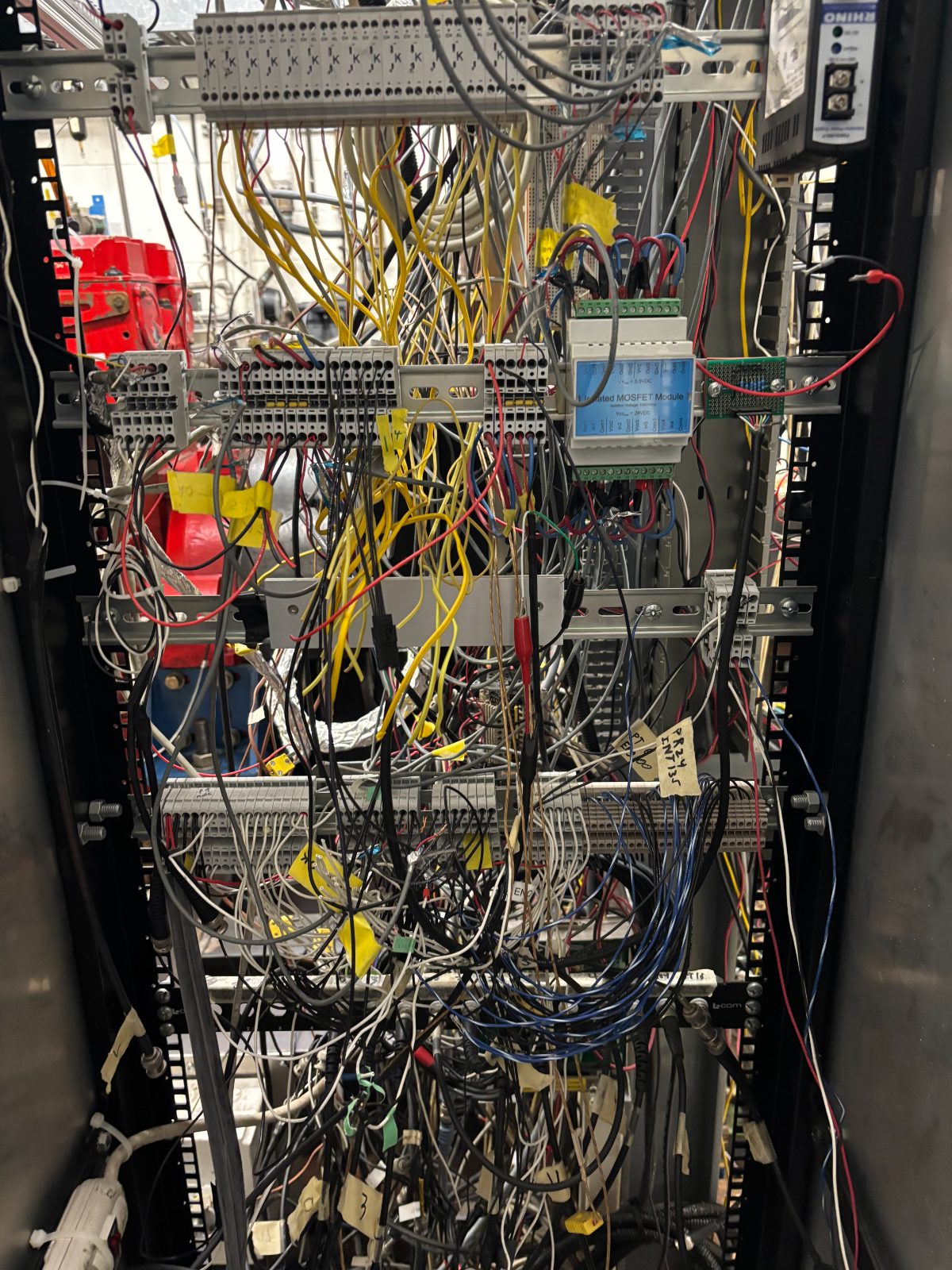
- Trace and document. We followed every sensor and wire back to the DAQ and control systems, and cataloged each one before we disconnected anything.
- Isolate. We isolated the fuel and electrical connections and made them safe.
- Remove. We removed the DAQ and the fuel lines, and cleared the floor space for the testbed.
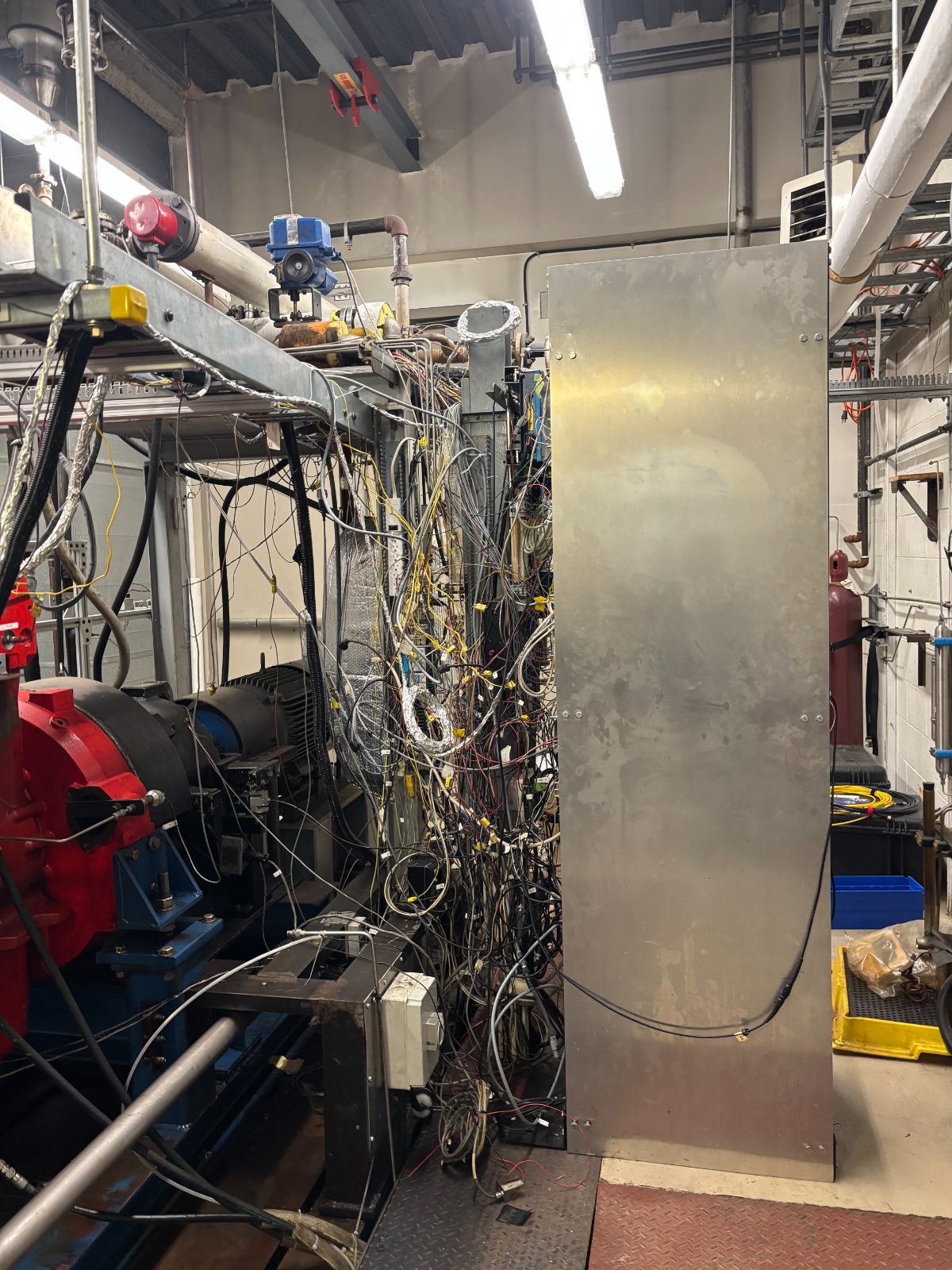
After the campaigns, the P200-SX went back to Germany for maintenance.
HowPhase 2, summer 2026: a turbojet-specific cell
In summer 2026, we decided to make the cell turbojet-specific. That meant removing the SCRE engine, the dynamometer and all their peripherals. The plan calls this Part 1 of the JET-CALF test-cell transition. Part 2 commissions the new rig.
Undocumented connections, stored energy, residual fluids and valuable instruments were all possible in a cell this old. I first wrote a Scope of Work and Technical Decommissioning Plan for supervisor, facility and safety review. It defines the work boundary, the sign-offs, the hazards and the handoff. It sets a staged sequence:
- planning and approvals
- as-found photo and drawing records
- inventory, asset tagging and retain/dispose decisions
- isolation and make-safe work
- recovery of high-value instruments and reusable hardware
- removal of the peripheral systems, then the engine and dynamometer
- cleanup, final inspection and a handoff package for Part 2.
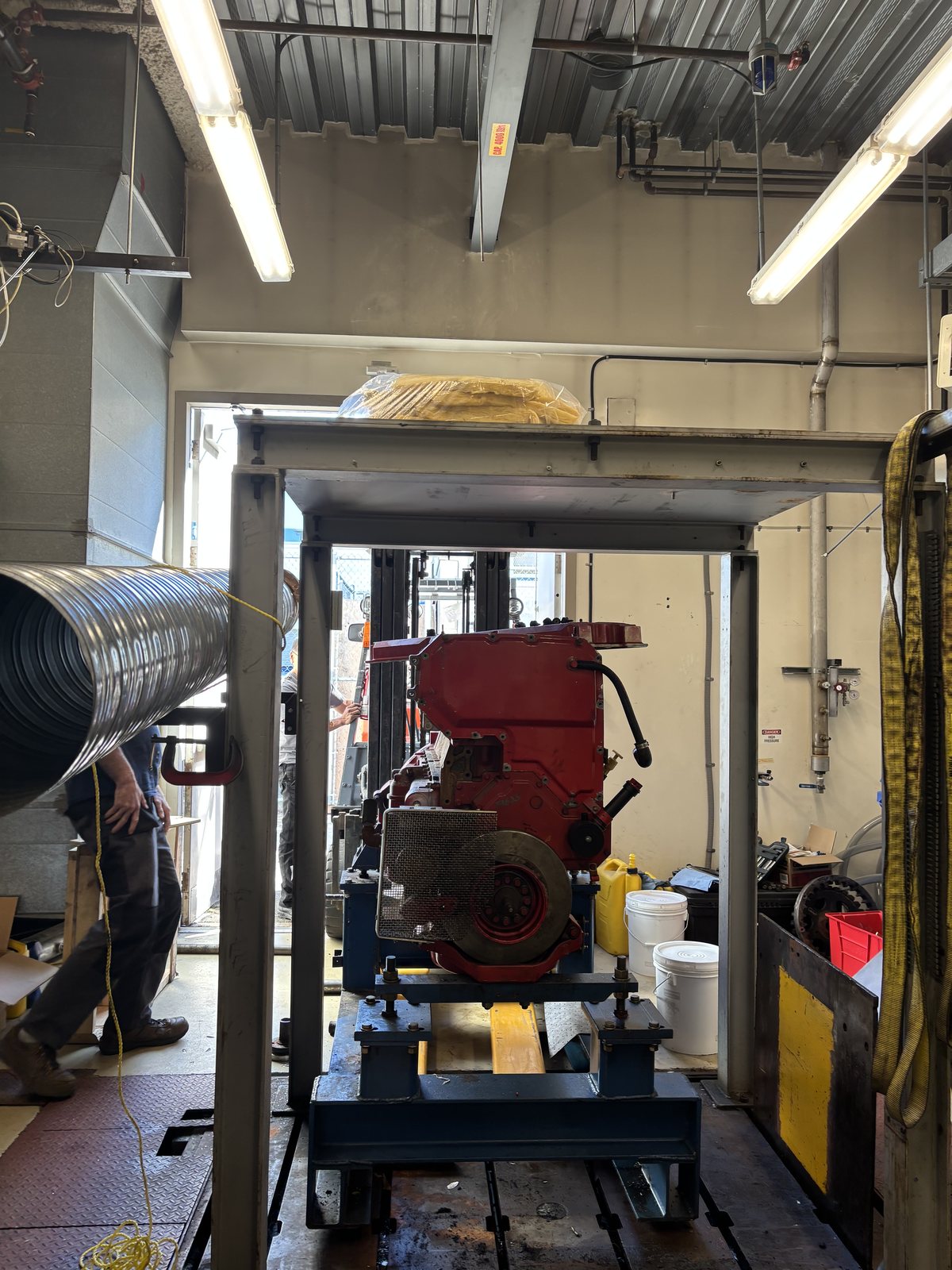
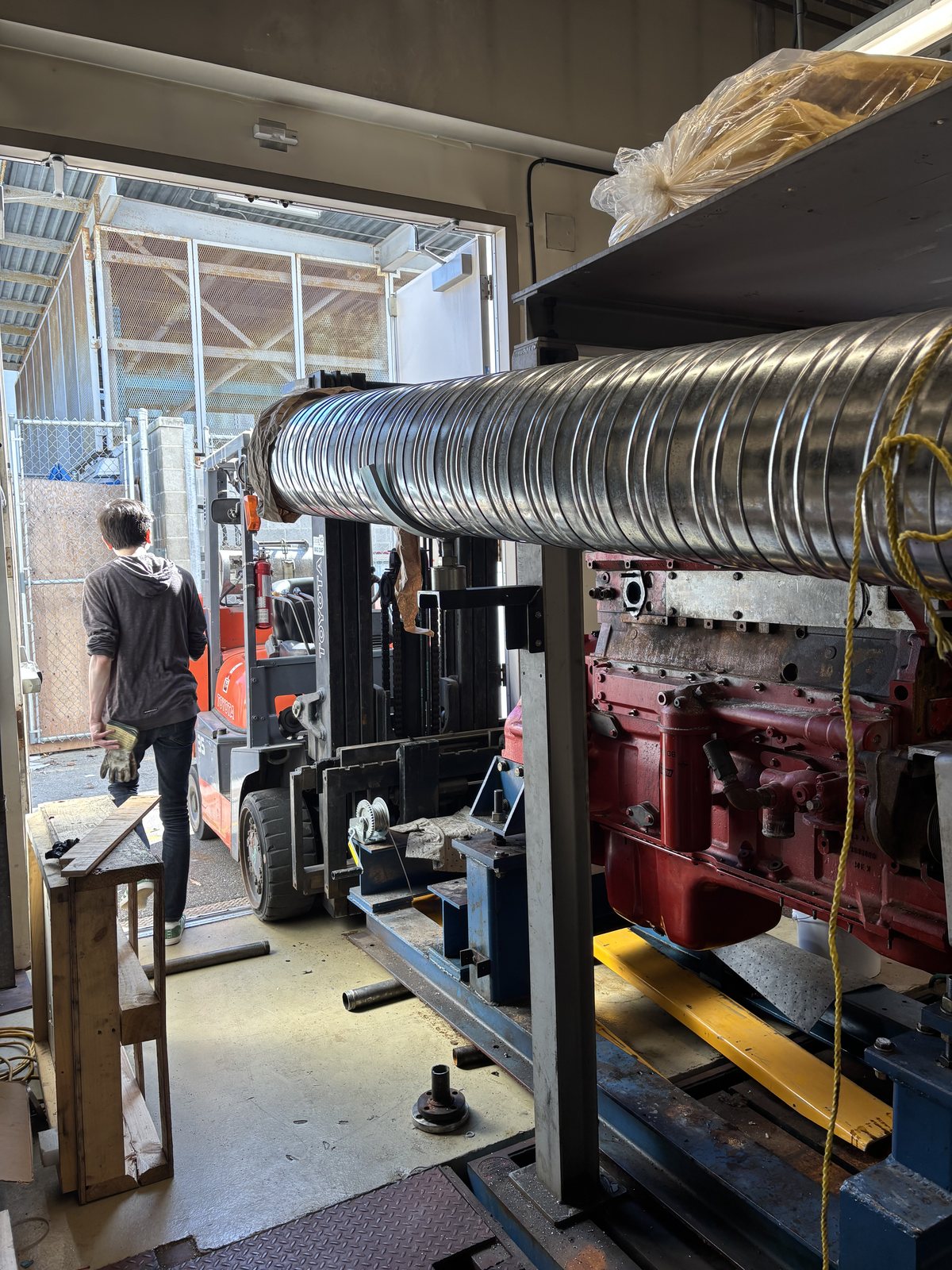
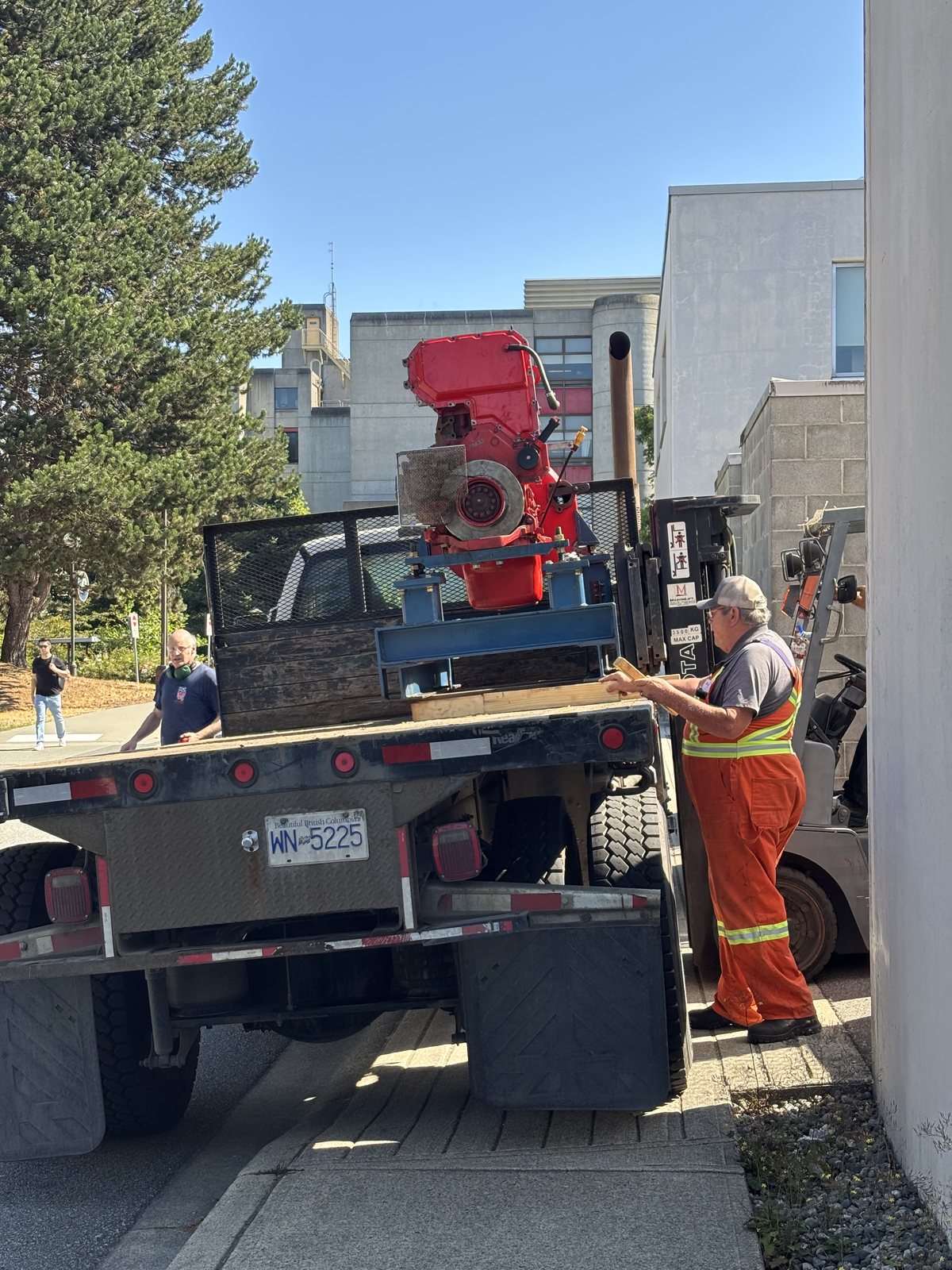
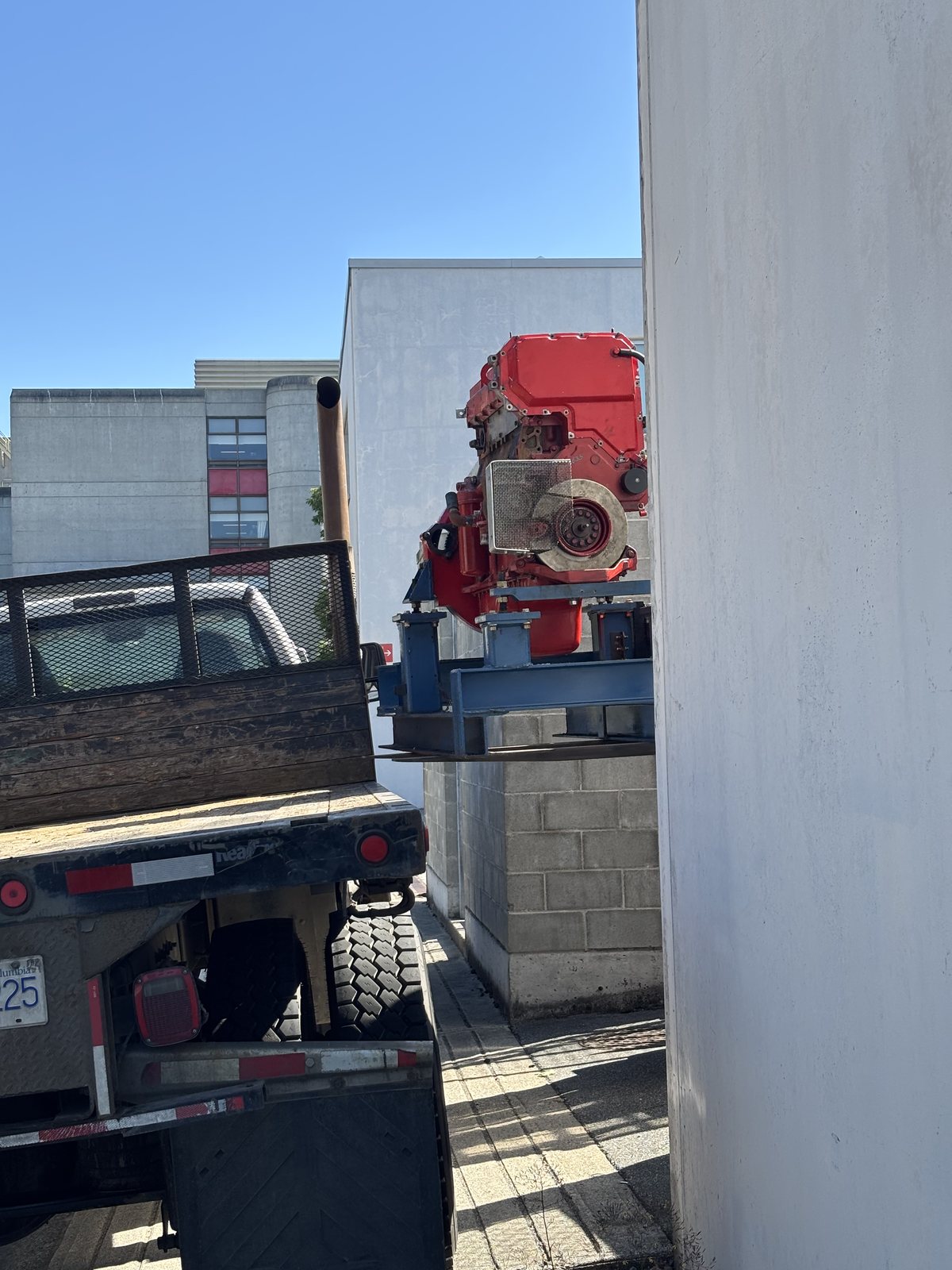
We removed the peripheral hardware first. The engine then left the cell on its stand, under the exhaust duct and through the cell door, with lifting equipment and a forklift. Outside, it went onto a flatbed truck. The plan required a reviewed removal route and lift plan before each move.
We handled the waste under the lab disposal protocols and cleaned the space for the new rig.
The work was a practical education in how a large test cell is put together. I learned how data acquisition, instrumentation and building services are laid out. I also learned how much documentation it takes to dismantle them without surprises.
ResultsOutcome
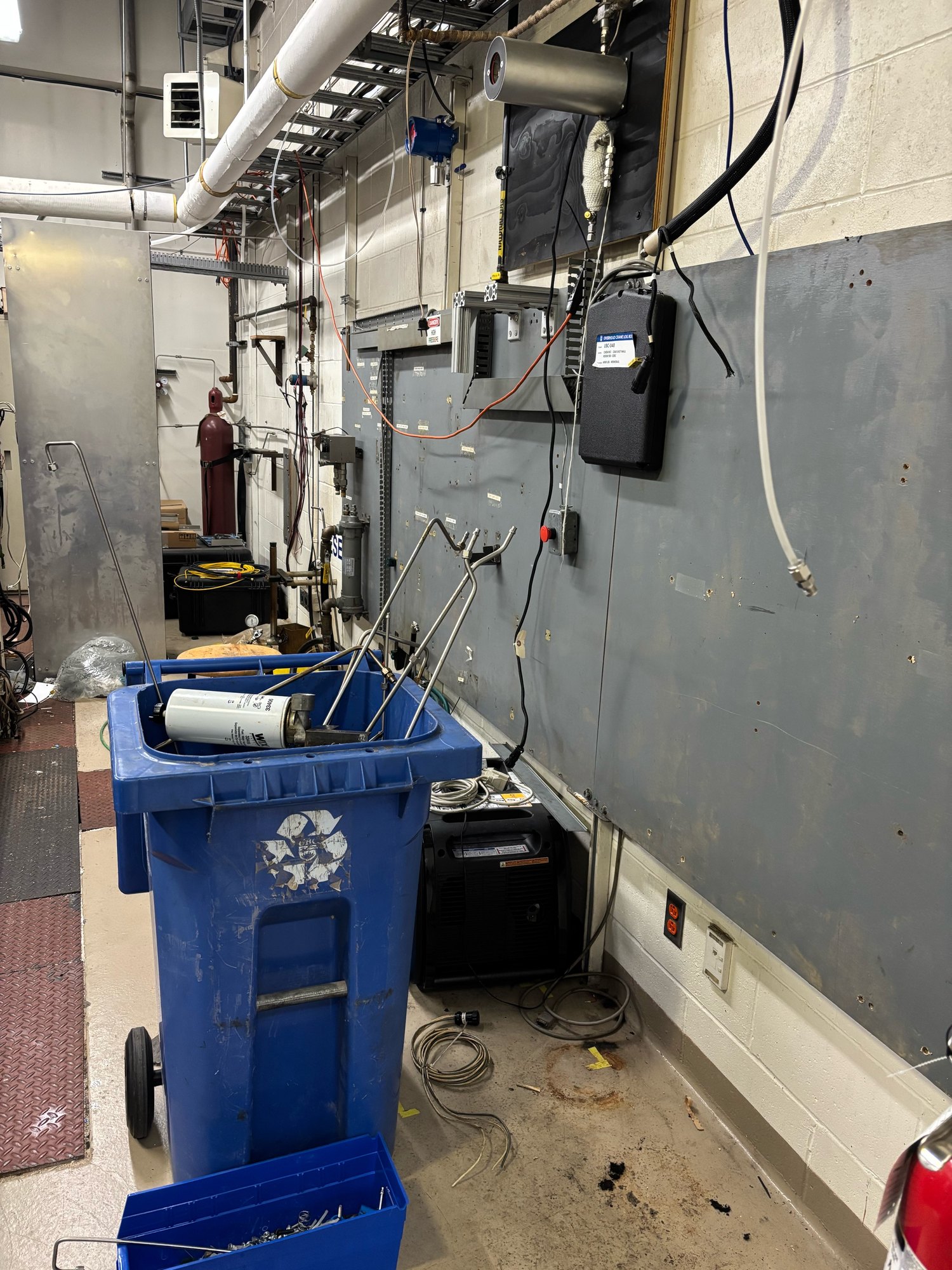
The SCRE and its peripherals are out, and the cell is now for micro-turbojets only. The plan ends in a handoff package. It records what was removed, what was kept, which hazards were controlled and which utility points remain.
We have received a new engine, a JetCat P220-RXi. TU Braunschweig bought one as well, and the two teams work together on its instrumentation. I lead our modifications to the instrumentation design, the combustor sampling probes and the setup of the test cell. I also work on the emissions instrumentation. See the Station 4 sampling apparatus and the exhaust and test-cell layout.
Thanks to Peter and Tully for their help with the decommissioning.